JellyFil Official Website › Blog › Maca Extract
Maca Extract in JellyFil: The Second Ingredient Explained
Maca extract is the second plant printed on the JellyFil panel, and the one with the largest human record of the nine.
Quick answer
Maca extract, Lepidium meyenii, is the second ingredient in the JellyFil 82 mg blend, after muira puama. The label does not say how much maca a gummy holds. The published trials used 1,500 mg to 3,000 mg a day, so the trial doses and the gummy are not the same thing.
Where maca sits on the JellyFil label
The Supplement Facts panel lists the blend from heaviest to lightest, and that order is real information. Maca Extract (Lepidium meyenii) is printed second, after muira puama and ahead of catuaba. So maca outweighs everything from catuaba down to horny goat weed, the smallest of the nine.
The panel stops there. It gives 82 mg for the whole blend, with a footnote that puts it near 567 mg of dry powders. It gives no milligram figure for maca. That is how a proprietary blend works under 21 CFR 101.36: one total, contents in descending order of weight. Caffeine at 5 mg is the only single figure inside it. The supplement facts page shows the full panel.
What maca is
Maca is a root from the Andes, grown at high altitude and eaten there as food for a very long time. The supplement trade sells it as a powder or an extract. The advertising for JellyFil names it among its six listed plants, and the nine on the bottle, six in the advert article explains which three the sales copy leaves out. Maca is not one of them.
What the maca trials used
The ingredients page gives maca the longest entry, because it has the largest human record of the nine plants. Three results stand out.
- A twelve-week randomised trial gave men aged 21 to 56 either 1,500 mg or 3,000 mg a day. Self-rated sexual desire rose from week eight. Serum testosterone and oestradiol did not move at either dose.
- A dose-finding study in people whose sexual difficulty came with an antidepressant found that 3.0 g a day moved the questionnaires, while 1.5 g a day did not.
- A 175-person safety trial used 3 g a day for twelve weeks and reported better mood, energy and health status.
The systematic review calls the overall evidence limited, and that is a fair summary. Notice the timing too. The first change in the main trial came at week eight, which is why the week one article says a first week tells you very little.
See the whole panel before you order
One gummy a day with nine plants in an 82 mg blend, and a 60-day money-back window counted from the day you pay.
From $158 for two bottles to $294 for six, 60 days on every pack
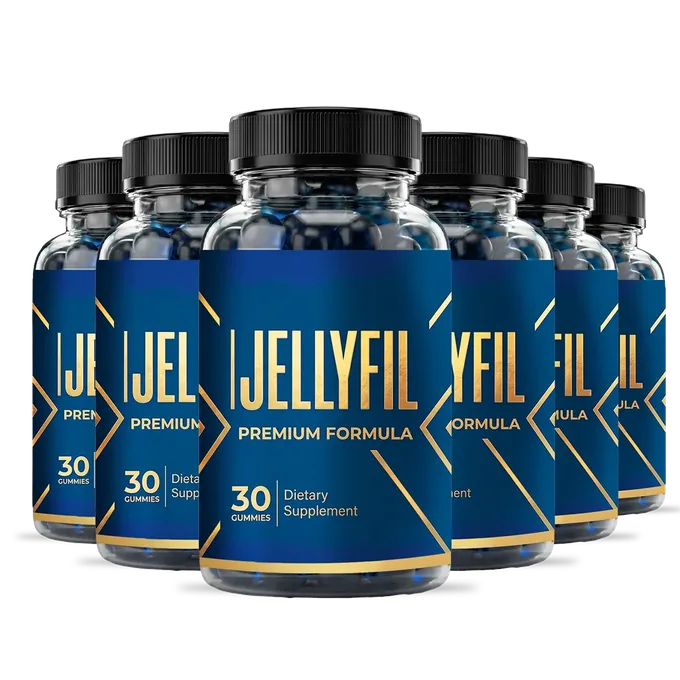
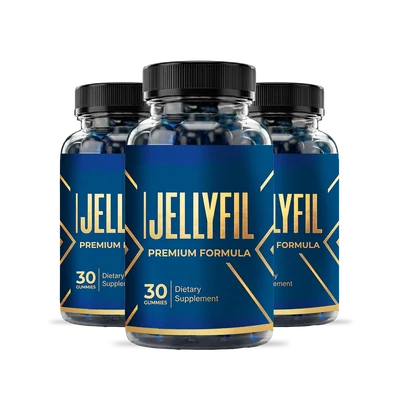
Choose A JellyFil PackChewed, one a day, 30 to a bottle. Lot JEL-26/JE-5655.
Maca next to the other eight
Here is the panel order with the one fact the label does give about each plant: where it ranks, and whether the advertising names it.
| Rank | Plant | Named in the advertising |
|---|---|---|
| 1 | Muira puama | Yes |
| 2 | Maca | Yes |
| 3 | Catuaba | Yes |
| 4 | Green tea extract | No |
| 5 | Caffeine (5 mg) | No |
| 6 | Ashwagandha | Yes |
| 7 | L-arginine | Yes |
| 8 | Tribulus terrestris | Yes |
| 9 | Horny goat weed | No |
Order as printed on the panel, heaviest first. Caffeine is the only line with its own amount.
Maca is the plant in this bottle whose trials are easiest to set against a gummy, which is why it is worth a page of its own. The ingredients chart for men puts all nine in one table.
Maca in a gummy: the arithmetic
Put the two numbers side by side. The trials used 1,500 mg or 3,000 mg of maca a day. A whole JellyFil gummy holds an 82 mg blend, and maca is only one of nine plants inside it.
Even if maca were the entire blend, 82 mg would be a small fraction of the lower trial dose. It is not the entire blend. So the trial results describe what those men were given, not what one gummy gives. The 82 mg article does this sum for all nine plants.
None of this is a criticism of the format. A chewable gummy cannot hold grams of powder, and the format article says so directly. It is a reason to read the maca trials as background, and to judge the product by your own month of use inside the 60-day window.
Tolerance and who should ask first
Of the nine plants, maca has the best tolerance record. The 175-person trial is the largest tolerance dataset in the whole reference list. The questions on the side effects page come from other plants: horny goat weed and the medicines it meets, and green tea extract and ashwagandha with the liver.
The label gives the general rule. If you are pregnant or nursing, take medications or have a medical condition, consult your doctor before using. Stop and consult your doctor if any adverse reaction occurs.
A practical way to use this page is to ask the question that matters to you. If you want a gummy you will actually take every day, the format answers that. If you want trial-sized doses of one root, a gummy is the wrong shape, and the label does not claim otherwise.
- Maca extract is second of nine plants by weight.
- The panel gives no amount for it, only 82 mg for the whole blend.
- The trials used 1,500 mg to 3,000 mg a day.
- A share of 82 mg is far below any trial dose.
- Maca was well tolerated in the trials; ask your doctor if you take medicine.
JellyFil maca: questions
How much maca is in JellyFil?
The label does not say. It prints one figure for the whole blend, 82 mg across nine plants, and lists maca second by weight. No amount is given for any single plant.
Is the maca in JellyFil the same dose as in the trials?
No. The trials gave men 1,500 mg or 3,000 mg a day. The entire JellyFil blend is 82 mg, so a share of it is far smaller than any trial dose.
Is maca safe to take with JellyFil?
Maca was well tolerated in the trials. The questions on this label come from other plants in the blend. If you take medicine or have a condition, ask your doctor first, as the label says.
References
- U.S. Food and Drug Administration. Questions and answers on dietary supplements. https://www.fda.gov/food/information-consumers-using-dietary-supplements/questions-and-answers-dietary-supplements
- National Center for Complementary and Integrative Health. Using Dietary Supplements Wisely. National Institutes of Health. https://www.nccih.nih.gov/health/using-dietary-supplements-wisely
- 21 CFR 101.36, Nutrition labeling of dietary supplements. US Government Publishing Office. https://www.govinfo.gov/content/pkg/CFR-2023-title21-vol2/xml/CFR-2023-title21-vol2-sec101-36.xml