Alcohol and Libido: How Drinking Affects Erections
How does alcohol affect libido and erections?
Alcohol is a depressant. It dulls arousal signals from the brain, reduces sensitivity, and blunts the blood flow an erection needs — the origin of "brewer's droop." An occasional drink rarely matters, but heavy or chronic use lowers testosterone and damages the systems behind desire. Moderation and timing matter far more than a single glass.
- In the moment: alcohol reduces genital sensitivity and the erection response.
- Over time: chronic heavy drinking lowers testosterone and disrupts sleep.
- The good news: for most men, cutting back improves drive within weeks.

Why one drink and ten drinks are different questions
Almost every honest answer about alcohol and libido depends on dose. A single beer with dinner and a night of heavy drinking are not the same input, and treating them as one topic is how myths get made in both directions — either "alcohol wrecks everything" or "it's harmless, it even loosens me up." The reality sits between those. Low, occasional intake has a small and often negligible effect on male performance. Heavy or frequent intake reliably works against it. Keeping that distinction in mind is the whole game.
There is also a short-term versus long-term split. Alcohol has immediate effects on the night you drink, and separate, slower effects on your hormones and tissues when drinking becomes a habit. Both are real, and they add up.
What alcohol does in the moment
Alcohol is a central-nervous-system depressant. That is the pharmacology, not a value judgment: it slows the signalling between brain and body. A little can lower inhibition and make you feel more relaxed and confident, which is why people associate it with romance. But past a low dose, the same slowing that relaxes you starts to work against arousal. The brain's excitatory signals get muted, the nerves carrying sensation report less, and the vascular response that produces an erection becomes sluggish and unreliable.
This is the mechanism behind "brewer's droop" — the frustrating gap between wanting and being able that many men have experienced after a big night. It is usually temporary and dose-dependent: the more you have had, the more pronounced it gets. Alcohol is also a diuretic and mildly dehydrating, which does the circulatory side no favours either.
The paradox of alcohol is that a small amount can lower the anxiety that blocks performance, while a large amount blocks the performance itself.
The hormone side: how drinking lowers testosterone
Beyond the immediate effect, alcohol reaches into the endocrine system. A single heavy session can transiently suppress testosterone, with levels sometimes still depressed the next morning. That is why a hangover so often comes with flat mood and no drive — the hormone underpinning both has taken a temporary hit.
The more serious concern is chronic heavy drinking. Over time it can directly damage the Leydig cells in the testes where testosterone is produced, and it burdens the liver, which plays a role in clearing excess estrogen. When that clearance falters, the testosterone-to-estrogen balance can shift in the wrong direction for a man. This is a gradual, dose-dependent process — an occasional drinker is not on this path, but a habitual heavy drinker is quietly nudging their hormones the wrong way.
Two other effects compound the hormonal one. Alcohol is calorie-dense and easy to over-consume, so regular heavy drinking tends to add body fat — and excess fat, particularly around the midsection, promotes the conversion of testosterone to estrogen, adding a second downward pull on the same hormone. Heavy drinking also raises cortisol, the stress hormone that works against testosterone. None of these act in isolation; they stack, which is why a habitual heavy-drinking pattern tends to hit drive from several directions at once rather than through any single mechanism.
The sleep multiplier most men overlook
Here is the effect that quietly does the most damage: alcohol wrecks sleep quality even when it helps you fall asleep. A nightcap gets you drowsy, but as your body metabolises it through the night, sleep fragments and the restorative deep and REM stages get cut short. Since most of a man's daily testosterone is released during deep sleep, a few evening drinks can undermine the exact window your hormones rely on. We cover that mechanism in detail in sleep quality and erection quality, and it is the reason regular evening drinking often shows up as daytime fatigue and low drive rather than an obvious hangover. The population data points the same way: a dose-response meta-analysis of alcohol intake and the risk of erectile dysfunction pooled observational studies and found the relationship tracks with how much is drunk rather than with drinking at all.
Timing and moderation: the two levers that matter
If you enjoy drinking and do not want to quit, two adjustments carry most of the benefit:
- Moderation. Most health guidance puts lower-risk drinking for men at around one to two standard drinks on any day, with several alcohol-free days each week. Staying in that range keeps the hormonal and sleep costs small.
- Timing. If a particular evening matters, go light. Heavy drinking is precisely when the depressant and dehydrating effects are strongest and least helpful. A little can settle nerves; a lot removes the ability entirely.
Neither of these requires abstinence. They just respect the dose-response reality that a small amount is manageable and a large amount is not.
What cutting back actually does
Because so much of alcohol's toll on libido runs through sleep, testosterone and mood, easing off tends to pay back fast. Men who cut heavy drinking frequently report better morning energy, steadier drive and more reliable performance within a few weeks — not because anything magical happened, but because they stopped suppressing systems that recover on their own once the pressure lifts. The improvement is largest for heavy drinkers, and very long-standing damage may not fully reverse, but cutting back remains one of the highest-return, lowest-cost changes available for male vitality.
Where JellyFil fits — and where it doesn't
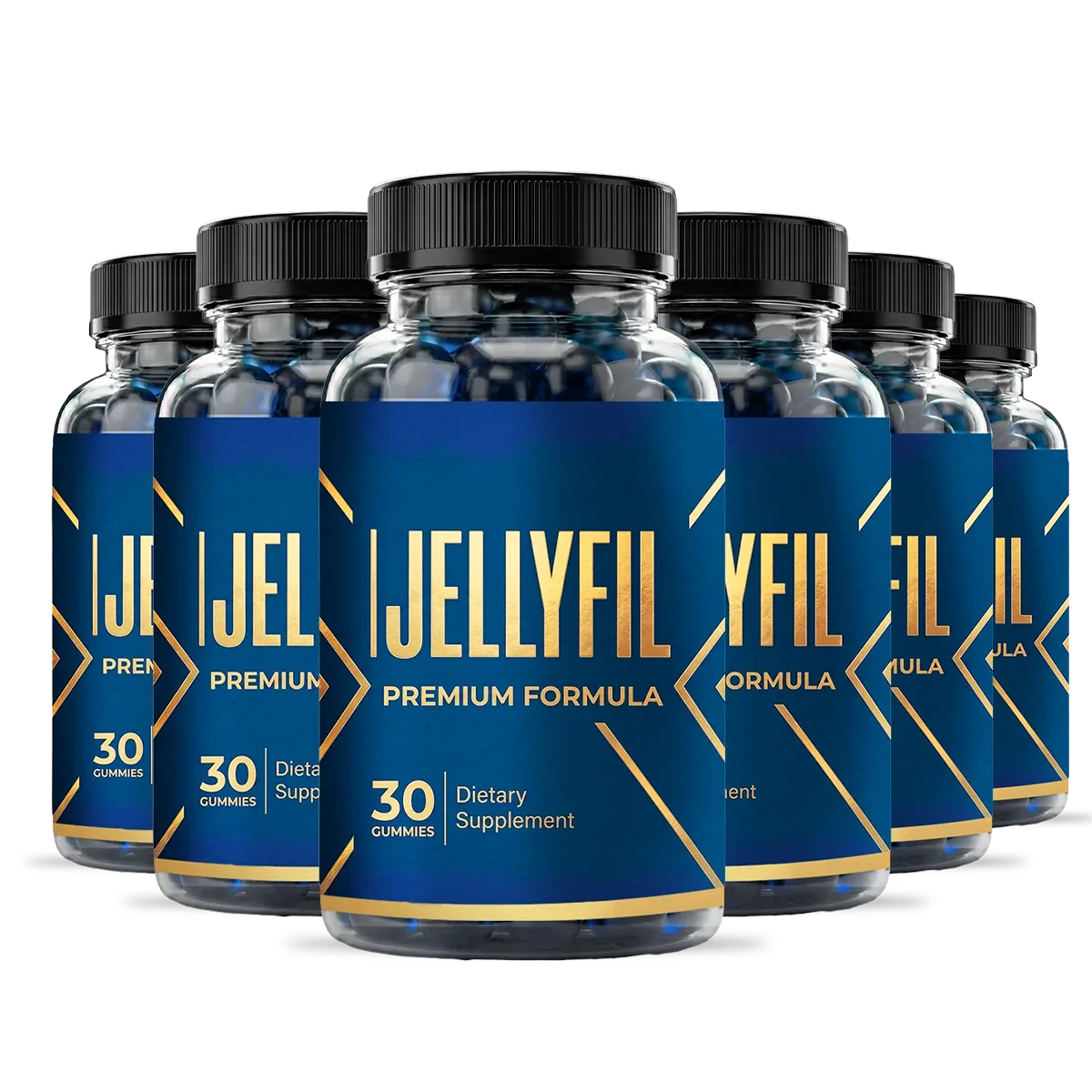
No supplement offsets a heavy drinking habit, and it would be dishonest to suggest otherwise. If alcohol is the anchor on your drive, cutting back is the lever, not a gummy. Where a formula like JellyFil is relevant is supporting the same systems once the obvious drags are handled. Its L-Arginine targets the nitric-oxide pathway behind blood flow, its ashwagandha is included to help manage cortisol, and Maca and Tribulus sit on the energy and testosterone side. Think of it as daily support that works best on a foundation of sensible drinking and decent sleep — not a rescue for the morning after. For the wider picture on whether this category earns its keep, see our honest guide to male-enhancement gummies.
Related reading
- Belly Fat and Testosterone in Men
- Sleep Quality and Erection Quality: The Real Link
- Cardio vs Weightlifting for Testosterone and Libido
- Performance Anxiety: Natural Support for Men
Handle the basics, then support the rest
JellyFil combines blood-flow, testosterone and cortisol-supporting actives in one daily gummy — every ingredient named on the label, with today's official-store pricing and a 60-day guarantee.
Order NowFrequently asked questions
Does alcohol lower testosterone?
In moderation the effect is small, but it climbs with the dose. A single drink barely moves the needle, while a heavy binge can suppress testosterone for hours into the next day. The bigger problem is chronic heavy drinking, which damages the testes where testosterone is made and overworks the liver that clears excess estrogen, pushing hormones the wrong way over time.
Why does drinking cause weak erections?
Alcohol is a central-nervous-system depressant. In the moment it dulls arousal signals from the brain, reduces genital sensitivity, and interferes with the blood-flow response an erection depends on, which is where the phrase brewer's droop comes from. Drink enough regularly and it also disrupts sleep and lowers testosterone, so the effects start to outlast the night out.
How much alcohol is too much for libido?
There is no single line, but the pattern is clear: the occasional drink is unlikely to matter, while regular heavy sessions reliably blunt desire and performance. Most health guidance caps lower-risk drinking at around one to two standard drinks a day for men, with alcohol-free days. If your drive or performance dips after drinking, that is your own answer.
Will cutting back on alcohol restore my drive?
For many men, yes, at least partly. Because much of alcohol's effect on drive works through sleep, testosterone and mood, easing off often brings noticeable improvement within a few weeks. The gains are largest for heavy drinkers, and long-standing damage may not fully reverse, but cutting back is one of the lowest-cost, highest-return changes you can make for libido and energy.
References
- Wang XM et al. Alcohol intake and risk of erectile dysfunction: a dose-response meta-analysis of observational studies. Int J Impot Res. 2018. PMID: 30232467.
- National Institute on Alcohol Abuse and Alcoholism — Alcohol's Effects on Health.
- MedlinePlus (U.S. National Library of Medicine) — Alcohol.
- Centers for Disease Control and Prevention — About Alcohol Use.