Performance Anxiety: Natural Support That Helps Men
What actually helps sexual performance anxiety in men?
Performance anxiety is a loop: worry releases adrenaline, adrenaline constricts blood flow, and the poor result feeds more worry. Breaking it means calming the stress response — through slow breathing, better sleep, and taking the pressure to perform off the table. Adaptogens like Ashwagandha are studied for lowering stress, as support, not therapy.
- The mechanism: adrenaline narrows vessels at the exact moment arousal needs them open.
- The levers: long exhales, sleep, honest conversation and less self-monitoring.
- The role of supplements: Ashwagandha supports calm over weeks — it is not a treatment.

The loop that keeps it going
Sexual performance anxiety is one of the most common issues men will not talk about, and one of the most self-defeating, because it runs on a feedback loop. It starts with a thought — "what if it doesn't work?" — and that thought is enough to activate the body's fight-or-flight response. Your nervous system cannot tell the difference between a threat in the room and a threat in your head, so it responds to worry the same way it responds to danger: it releases adrenaline and shifts the body into a state built for action, not intimacy.
It is also more common than most men assume: a study of self-reported psychogenic erectile dysfunction and depression among young men found both reported together at high rates. The cruel part is what adrenaline does to blood flow. An erection is fundamentally a circulatory event — it depends on the blood vessels relaxing and letting blood in. Adrenaline does the opposite: it narrows vessels and diverts blood toward the large muscles and away from "non-essential" functions. So at the precise moment arousal needs open, relaxed circulation, anxiety is telling the body to clamp it down. If the result then disappoints, the brain files it as evidence that the worry was justified, and the next encounter starts with even more anxiety. That is the loop, and understanding it is the first step to breaking it, because it tells you the target is not your body — it is the alarm going off in your head.
Performance anxiety is not a failure of the body. It is the body doing exactly what fear tells it to do, at the worst possible moment.
Why calming the stress response is the lever
If adrenaline is the problem, then the solution is anything that turns the alarm down. The nervous system has two branches: the sympathetic ("fight or flight") and the parasympathetic ("rest and digest"). Arousal lives in the parasympathetic side — the same relaxed state that lets blood flow and digestion happen. You cannot be genuinely relaxed and flooded with adrenaline at the same time. So every effective technique for performance anxiety, whether it is behavioural or biochemical, is really doing one thing: shifting you off the sympathetic branch and back onto the parasympathetic one.
This reframe matters because it makes the problem workable. You do not have to force arousal; you cannot force it anyway, any more than you can force yourself to fall asleep. What you can do is remove the thing suppressing it — the stress signal — and let the natural response return. That is why the levers below focus on calm, sleep and pressure rather than on trying harder.
Can Ashwagandha help?
This is where a supplement can play an honest supporting role. Ashwagandha is an adaptogen — a class of botanicals associated with helping the body manage stress — and it is one of the better-studied ones. A prospective, randomised, double-blind, placebo-controlled study of a high-concentration full-spectrum ashwagandha root extract looked at daily use over several weeks and reported reductions in cortisol, the main stress hormone, and in scores of perceived stress and anxiety. That is a plausible fit for performance anxiety, because it works on the background stress load that keeps the alarm primed.
But the framing has to be careful. Ashwagandha is support, not therapy. It works gradually, over weeks of consistent use, by lowering your baseline stress — it does not act in the moment, and it is not a treatment for an anxiety disorder. Think of it as making the fire smaller and easier to manage, not as putting the fire out. In a formula like JellyFil it sits alongside L-Arginine, which supports the circulation side, and Maca and Tribulus on the drive side, so the stress lever is one part of a broader picture. If you want the mechanism in depth, our article on Ashwagandha, cortisol and testosterone covers it, and the standardised-extract question is covered in what to look for in KSM-66 Ashwagandha.

Quick techniques that reduce pressure
The most useful in-the-moment tool is breathing, because it is the one direct switch you have into the parasympathetic system. A long exhale is the key: try breathing in for four counts and out for six, for a minute or two. The extended out-breath physically slows the heart and signals safety, which is the opposite of the adrenaline surge. Do it before and during, without making it a performance in itself.
Beyond breathing, the biggest lever is taking the goal off the table. Anxiety thrives on a specific outcome being demanded; remove that demand and the pressure collapses. That can mean deliberately deciding an encounter is about closeness and sensation rather than a particular result, and it can mean focusing outward — on your partner, on touch, on the moment — instead of monitoring yourself like a spectator watching for failure. Self-monitoring, sometimes called "spectatoring," is one of the most reliable ways to sabotage arousal, precisely because attention on performance is attention on threat. And the single most underrated technique is honest conversation: telling a partner you have been in your head takes the secret pressure out of it, and shared understanding lowers the stakes more than any trick.
The lifestyle foundations
The in-the-moment tools work far better when the foundation underneath is solid. Sleep is first, because poor sleep raises stress hormones, lowers testosterone and shortens your fuse — a tired, wired nervous system is primed for exactly the anxiety loop you are trying to escape. Our piece on sleep quality and erection quality goes deeper. Regular exercise is a genuine anxiety reducer and supports the circulation that arousal depends on. Keeping alcohol moderate matters too: a drink may lower inhibition briefly, but more than that dulls both sensation and blood flow, and using it as a crutch tends to deepen the anxiety over time. And addressing the confidence side helps — our article on the confidence and libido connection explains why. None of these are quick fixes, but together they lower the baseline the anxiety is built on.
Turning the loop the other way
The same feedback mechanism that traps men can be made to work in their favour, and this is the most hopeful part of the picture. If a bad experience becomes evidence that fuels the next round of anxiety, then a good experience — or even a neutral, low-pressure one — becomes evidence in the other direction. That is why the goal early on is not a perfect performance; it is a run of encounters where nothing is riding on the outcome, so the nervous system can gradually relearn that intimacy is safe rather than threatening. Each low-stakes, pressure-free experience quietly rewrites the expectation that the anxiety was feeding on.
Practically, this means being patient and deliberately lowering the difficulty at the start. Focus on closeness, touch and enjoyment with the specific outcome genuinely off the table, and let confidence rebuild from small wins rather than demanding it return all at once. It also means being kind to yourself about setbacks: one difficult night is not proof of anything, and treating it as a catastrophe is precisely the thought that restarts the loop. The men who escape performance anxiety are usually not the ones who found a trick, but the ones who stopped treating each encounter as a test to be passed. Supporting the calm side with sleep, breathing and an adaptogen like Ashwagandha simply makes that relearning easier by keeping the baseline stress lower while you do it.
When to see a professional
Be honest with yourself about when self-help is not enough. If the problem is persistent, is causing you real distress, or is straining your relationship, that is a reason to talk to a doctor or a qualified therapist rather than to keep improvising alone. One useful clue is the pattern: performance anxiety typically flares in high-pressure situations but eases in low-pressure ones. If difficulties happen in all situations — including on your own — that can point to a physical rather than a purely psychological cause, and it is worth a medical check. A professional can rule out underlying issues and offer proven approaches such as cognitive behavioural therapy, which has a strong track record here. A supplement can support calm as part of your routine, but it is not a substitute for that care, and it would be dishonest to pretend otherwise.
Related reading
- KSM-66 Ashwagandha: what to look for on the label
- Sleep quality and erection quality in men
- The confidence and libido connection in men
- Kegel exercises and erection strength for men
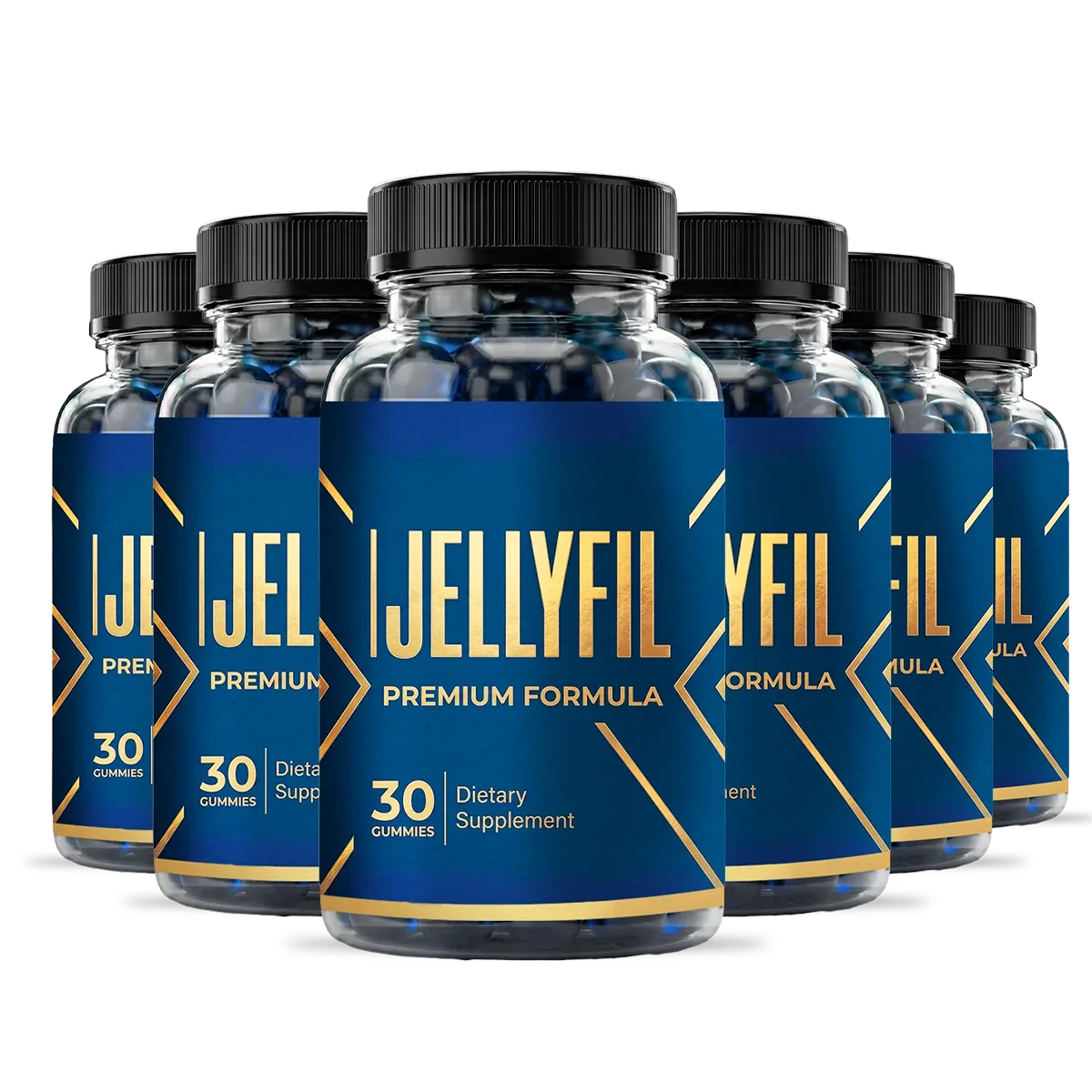
Support the calm side of the equation
JellyFil includes Ashwagandha, an adaptogen studied for stress, alongside Maca, Tribulus, Muira Puama, Catuaba and L-Arginine — one daily gummy, every active named on the label.
Order NowFrequently asked questions
How does anxiety cause erection problems?
An erection depends on relaxed blood vessels letting blood flow in. Anxiety triggers the fight-or-flight response and releases adrenaline, which does the opposite — it narrows blood vessels and diverts blood away from non-essential functions. So at the exact moment arousal needs open, relaxed circulation, anxiety is signalling the body to constrict it. A poor result then fuels more worry, which is how the loop sustains itself.
Can ashwagandha help performance anxiety?
Ashwagandha is an adaptogen studied for lowering cortisol and reducing perceived stress over several weeks of daily use, so it may help turn down the background stress load that feeds performance anxiety. It is supportive, not a treatment for anxiety, and it works gradually rather than in the moment. It is best seen as one lever alongside sleep, breathing and reducing the pressure to perform.
What quick techniques reduce performance pressure?
Slow breathing is the most useful in-the-moment tool — a long exhale, such as breathing in for four counts and out for six, activates the calming branch of the nervous system and counters adrenaline. Beyond that, deliberately taking the goal of a specific outcome off the table reduces pressure, as does focusing on sensation and connection rather than monitoring yourself. Honest conversation with a partner lowers the stakes more than any trick.
When should I see a professional about it?
See a doctor or a qualified therapist if the problem is persistent, is causing you significant distress, or is affecting your relationship — and especially if difficulties happen in all situations rather than only high-pressure ones, which can point to a physical rather than psychological cause. A professional can rule out underlying issues and offer proven approaches such as cognitive behavioural therapy. Supplements support calm; they are not a substitute for that care.
References
- Jiang T et al. Is It All in My Head? Self-reported Psychogenic Erectile Dysfunction and Depression Are Common Among Young Men Seeking Advice on Social Media. Urology. 2020. PMID: 32437776.
- Chandrasekhar K et al. A prospective, randomized double-blind, placebo-controlled study of safety and efficacy of a high-concentration full-spectrum extract of ashwagandha root in reducing stress and anxiety in adults. Indian J Psychol Med. 2012. PMID: 23439798.
- American Psychological Association — Stress and the body's response.
- MedlinePlus (U.S. National Library of Medicine) — Anxiety.