Confidence and Libido: How They Feed Each Other
Are confidence and libido connected?
Closely. Confidence and desire run on a feedback loop: feeling capable and calm makes desire easier, while stress and low mood suppress it through cortisol and reduced dopamine drive. Small, repeatable wins in fitness, sleep and routine rebuild confidence, which lowers performance pressure and lets libido return more naturally.
- The loop: confidence lifts desire, and desire reinforces confidence.
- The drag: stress hormones and low mood pull both down together.
- The fix: small wins in sleep, training and routine, built over weeks.

The loop nobody explains
Most conversations about libido start and end with hormones, as if desire were a dial that testosterone alone turns up and down. Hormones matter, but they are only part of the story. Desire is also psychological, and one of the biggest psychological inputs is confidence — how capable, attractive and at ease a man feels in his own skin. The two are not separate systems. They form a loop, each feeding the other, for better or worse.
When confidence is high, intimacy feels low-stakes. You are present, not self-monitoring, and desire has room to build. A good experience then reinforces confidence, which makes the next one easier. When confidence is low, the loop runs in reverse: worry crowds out arousal, a disappointing moment dents self-image, and the dented self-image makes the next moment more fraught. Understanding that this is a loop — not a fixed trait — is the first step to changing its direction.
How low confidence quietly suppresses desire
The mechanism is mostly about attention. Arousal needs your attention to be on the experience — on sensation, on your partner, on the moment. Low confidence hijacks that attention and turns it inward. Instead of being present, a man starts monitoring himself: watching for signs of how it is going, bracing for disappointment, running commentary in his head. Psychologists sometimes call this spectatoring, and it is corrosive to arousal precisely because arousal is not something you can consciously force. The harder you watch for it, the more it retreats.
Over time, this can curdle into avoidance. If intimacy has come to feel like a test you might fail, the mind starts finding reasons to skip the test. Desire drops, not because the underlying machinery is broken, but because the whole situation has been tagged as threatening rather than pleasurable. This is a confidence problem wearing a libido costume, and treating it purely as a chemical issue misses the point.
Arousal is not something you can force by concentrating harder. The more you watch for it, the more it hides. Confidence is what lets you stop watching.
The chemistry of stress and desire
There is a physiological layer under the psychology, and it centres on two chemicals: cortisol and dopamine. Cortisol is your main stress hormone. In short bursts it is useful, but chronic elevation is a problem. Sustained high cortisol is associated with lower testosterone, poorer sleep and a nervous system stuck in fight-or-flight — the sympathetic mode. Arousal, by contrast, is largely a parasympathetic, "rest and connect" state. A body marinating in stress hormones is, quite literally, in the wrong gear for desire.
Dopamine sits on the other side. It is the neurotransmitter of wanting and pursuit — the drive behind seeking out reward, including sexual reward. Chronic stress, poor sleep and low mood blunt dopamine-driven motivation, which shows up as a flat, "can't be bothered" version of libido. So the honest picture of low desire during a stressful stretch is not weakness or a lost identity; it is a predictable output of a stressed system. Bring the stress load down and the chemistry starts to shift back. That is also why adaptogens studied for lowering cortisol come up so often in this conversation. It is also why mood is worth taking seriously as a cause rather than a consequence: a study of self-reported psychogenic erectile dysfunction and depression among young men seeking advice online found the two reported together far more often than the stereotype of a purely physical problem suggests.

How to rebuild the loop in your favour
Because it is a loop, you can push it in the right direction from either side — and the most reliable entry point is small, repeatable wins that rebuild self-efficacy. Confidence is not conjured by a pep talk; it is the residue of evidence that you can do things. Stack up small proofs and the feeling follows.
- Train regularly. Exercise improves mood, body image, sleep and hormones at once, and the sense of progress is itself confidence fuel. It does not have to be dramatic — consistency beats intensity here.
- Protect sleep. Sleep is where testosterone is produced and stress is cleared. Poor sleep drags down mood, drive and patience together. See how sleep quality shapes performance.
- Build a reliable routine. Predictable habits lower background stress and create a steady stream of small completions — each one a tiny deposit in the confidence account.
- Ease the pressure. Deliberately taking performance off the table for a while, focusing on connection rather than outcomes, breaks the spectatoring cycle. For a deeper approach, see natural support for performance anxiety.
- Moderate alcohol. It feels like it lowers inhibition but tends to worsen sleep, mood and function over time.
None of these is glamorous, and that is rather the point. The levers that rebuild confidence and libido are the same unremarkable habits that improve almost everything else about how you feel. They work slowly and they compound.
Where supplements honestly fit
Let us be direct about this, because the category is full of overpromising. No supplement installs confidence, and no gummy rewrites your self-image. What a well-made formula can plausibly do is support some of the inputs underneath the loop: calmer stress, steadier energy, and a nudge to libido and drive. If those inputs are easier to manage, the lifestyle work — the part that actually rebuilds confidence — gets a little easier to sustain. That is a supporting role, and an honest one.
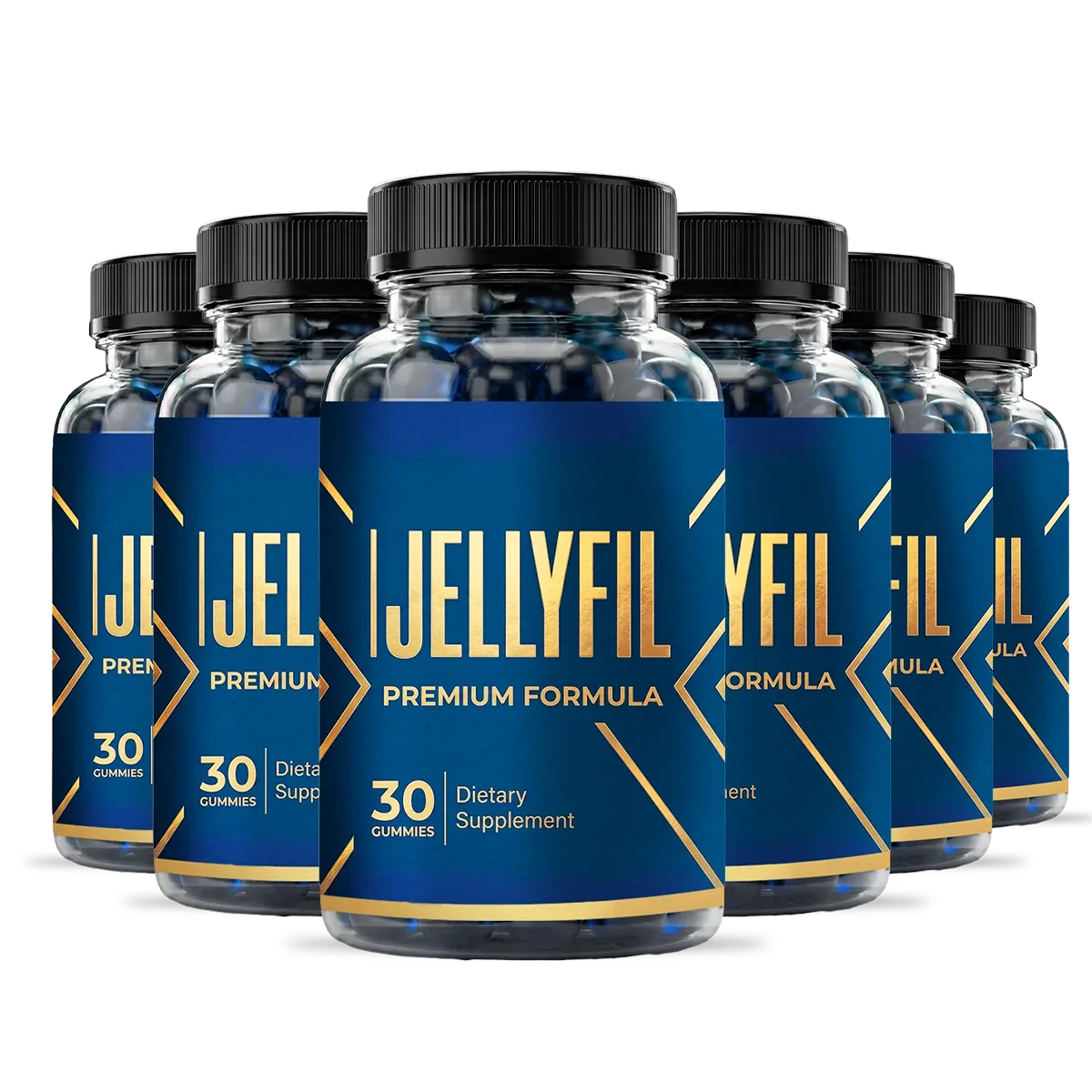
This is how we think about JellyFil. Its Ashwagandha works on the stress-and-cortisol side, Maca supports energy and stamina, L-Arginine covers circulation, and Catuaba along with Muira Puama and Tribulus address libido and testosterone support. It is daily background support for the machinery of drive — not a confidence pill, not a substitute for sleep, training and stress management, and not a treatment for any condition. Used that way, as one supporting piece of a bigger picture, it earns its place. Used as a shortcut around the real work, it will disappoint. For the honest big picture on the category, read our guide to whether these gummies work.
Support the inputs, do the work
JellyFil pairs Ashwagandha, Maca, L-Arginine and libido botanicals in a once-daily gummy — every active named on the label, with today's official-store pricing and a 60-day guarantee.
Order NowRelated reading
- Performance anxiety and natural support for men
- Sleep quality and erection quality for men
- Catuaba bark and libido: the evidence
- KSM-66 ashwagandha: what to look for
Frequently asked questions
Does low confidence reduce sex drive?
Often, yes. Desire is not purely physical; it is shaped by how you feel about yourself. Low confidence can lead to avoidance, self-monitoring during intimacy, and anticipatory worry, all of which pull attention away from arousal. Because confidence and libido feed each other, a dip in one tends to drag the other down with it.
How do stress hormones affect desire?
Chronic stress keeps cortisol elevated, which is associated with lower testosterone and a nervous system stuck in fight-or-flight rather than the relaxed state arousal needs. Stress also blunts dopamine-driven motivation, the wanting side of desire. The result is a body that is physiologically primed against libido until the stress load comes down.
Can lifestyle changes rebuild libido and confidence?
Yes, and they are the most reliable levers you have. Regular exercise, better sleep, lower alcohol, and a steady routine improve mood, hormones and body image at the same time. Small, repeatable wins build self-efficacy, which raises confidence, which lowers performance pressure and lets desire return more naturally over weeks.
Do supplements help confidence directly?
Not directly. No supplement installs confidence. What some ingredients may do is support the inputs underneath it — for example adaptogens studied for lowering cortisol, or botanicals used for energy and libido. Better sleep, calmer stress and steadier drive can make the lifestyle work easier, but the confidence itself is built by action, not a capsule.
References
- Jiang T et al. Is It All in My Head? Self-reported Psychogenic Erectile Dysfunction and Depression Are Common Among Young Men Seeking Advice on Social Media. Urology. 2020. PMID: 32437776.
- National Center for Complementary and Integrative Health — Stress and health.
- Centers for Disease Control and Prevention — Benefits of physical activity.
- MedlinePlus (U.S. National Library of Medicine) — Erectile dysfunction.