KSM-66 Ashwagandha: What to Look For on the Label
What is KSM-66 ashwagandha, and does it matter?
KSM-66 is a branded, standardised extract of ashwagandha root — the same kind of extract used in most published human trials. It matters because the word "ashwagandha" alone tells you nothing about extract type, potency or dose. On a label, look for a named root extract, a stated withanolide percentage, and a studied daily amount.
- Look for: a named standardised extract such as KSM-66 or Sensoril, not just "ashwagandha powder."
- Look for: withanolides standardised to a stated percentage.
- Look for: a daily dose in the studied 300–600 mg range.
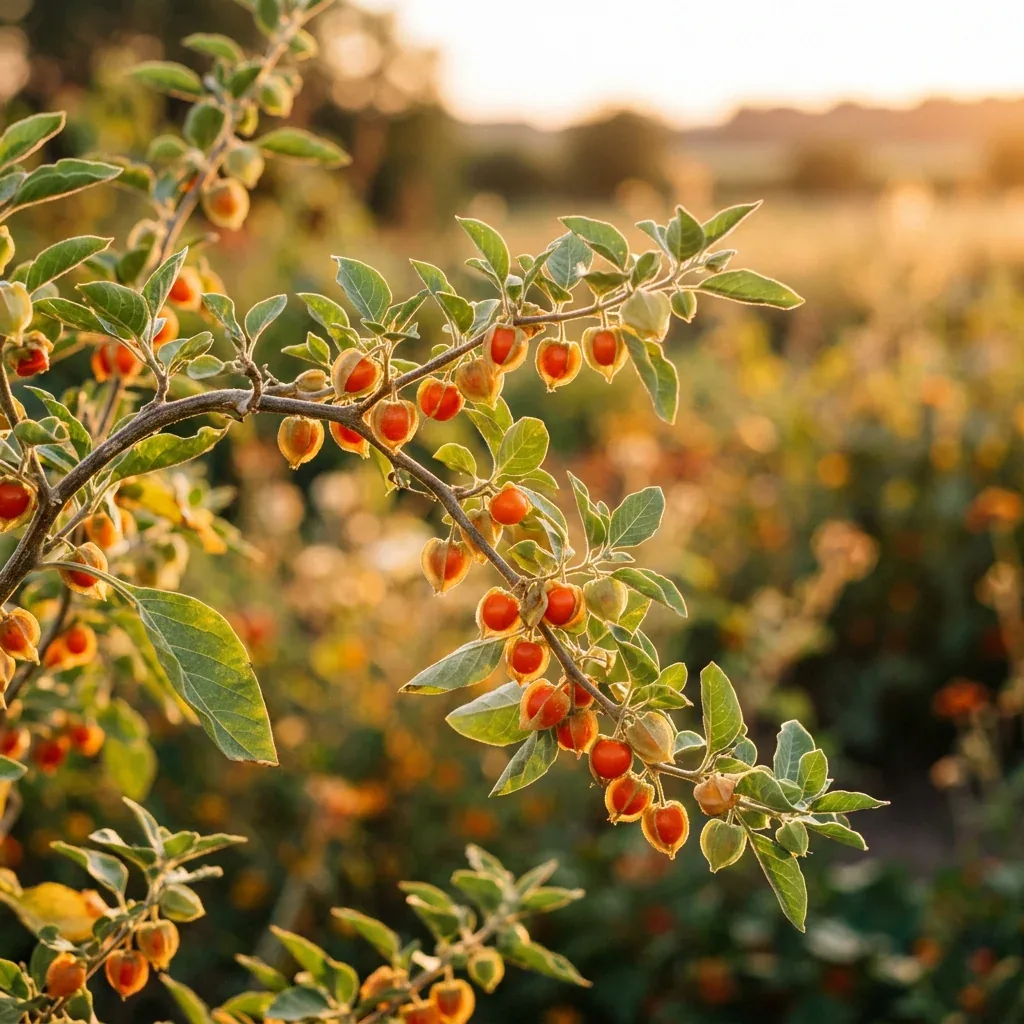
Why "ashwagandha" on a label tells you almost nothing
Ashwagandha is one of the best-researched botanicals in the men's-vitality aisle, which is exactly why it turns up everywhere. But the plant name on a Supplement Facts panel is not the useful part. Two products can both say "ashwagandha" and be completely different things: one a standardised root extract dosed to match the clinical trials, the other a pinch of raw powder that mainly exists so the marketing can name-drop the ingredient. The name is free. The specifics cost money, and that is what separates a formula that reflects the research from one that merely borrows its reputation.
There are three specifics that actually matter, and you can check all of them in about ten seconds once you know what to read: the plant part used, the standardisation, and the dose. Get those three and you can judge almost any ashwagandha product on the shelf. Miss them and you are trusting a brand name and a nice bottle.
Root vs whole-plant: the first thing to check
Ashwagandha extracts are made from different parts of the plant, and this is the split most shoppers never think about. The overwhelming majority of the human research — the trials people cite for lower cortisol, better sleep and modest testosterone support — used extracts made from the root. Root-only extraction is the tradition in Ayurvedic use and the standard in the studies that gave ashwagandha its evidence base.
Whole-plant or leaf-containing material is a different proposition. The leaf has a different compound profile, including higher levels of certain withanolides that behave differently in the body, and it simply does not carry the same weight of human safety and efficacy data. That does not automatically make it bad, but it does make it unstudied relative to the claims usually printed next to it. So the first thing to look for is the single word "root." KSM-66, for example, is a full-spectrum root extract. If a label will not tell you the plant part, you cannot assume it matches the trials people are quoting.
What standardisation actually means
The active compounds in ashwagandha are a family of molecules called withanolides. "Standardised to X percent withanolides" means the manufacturer has tested and adjusted the extract so that each batch delivers a consistent amount of those actives, rather than whatever the last harvest happened to contain. This is the difference between a product that behaves the same way every bottle and one that is a lottery.
Standardised root extracts are commonly held to around 5 percent withanolides, and some concentrated extracts state higher figures. Here is the honest nuance: the exact percentage is less important than the fact that a percentage is stated at all. A number tells you the product is tested and standardised. Silence tells you it might be raw powder of unknown strength. Be a little wary of very high withanolide percentages too — unusually concentrated numbers sometimes signal leaf-derived material rather than root, which loops back to the plant-part question above.
The plant name is marketing. The plant part, the standardisation percentage and the milligram dose are the product. Read those three and ignore the adjectives.
The dose that was actually studied
This is where a lot of otherwise-decent formulas quietly fall down. Across the stress and cortisol literature, the doses that produced measurable effects sat in the range of roughly 300 to 600 mg of a standardised root extract per day, typically taken for 8 to 12 weeks. That is the target. If a label proudly lists ashwagandha but the amount is a token 25 or 50 mg, the ingredient is almost certainly there for the panel, not for you. The industry even has a nickname for this: "fairy dusting" or "label dressing" — adding just enough of a fashionable ingredient to name it, without enough to do the job.
One complication worth knowing: in a blended product, ashwagandha shares space with several other actives, and total capsule or gummy volume is finite. That is a genuine formulation trade-off, not necessarily a dodge. The point is simply to check rather than assume. A transparent label lets you see the ashwagandha amount and decide whether it is in the studied ballpark; a hidden "proprietary blend" that lumps everything into one total weight does not, which is a reason to prefer transparency.
KSM-66 vs Sensoril: two names worth knowing
Two branded extracts dominate the research and the market. KSM-66 is a full-spectrum root-only extract, standardised to withanolides, and it is the one behind many of the stress, sleep and testosterone-adjacent trials in men. Sensoril is a higher-withanolide extract derived from root and leaf, often studied at lower doses and frequently positioned more toward stress and mental fatigue. Neither is universally "better." They are different tools: KSM-66 leans on root-only pedigree and the bulk of the vitality research; Sensoril leans on higher concentration at smaller doses.
For a men's formula, the practical takeaway is that seeing either branded name is a good sign, because it means the maker paid for a characterised, tested extract rather than commodity powder. An unbranded "standardised root extract" with a stated percentage and a sensible dose can be perfectly fine too. The red flag is the opposite: a bare "ashwagandha" with no part, no percentage and no meaningful milligram figure.
What ashwagandha realistically does for men
Set expectations with the evidence, not the ad copy. The most consistent finding across controlled trials is a reduction in perceived stress and measured cortisol, often alongside better sleep — as in the prospective, randomised, double-blind study of a high-concentration full-spectrum root extract and a later randomised investigation into the stress-relieving and pharmacological actions of an ashwagandha extract. On testosterone, some trials in stressed, older or training men report modest, statistically significant increases versus placebo — real, but small, and clearest in men who were stressed or lower to begin with. This is why ashwagandha earns a place in a vitality blend: chronically high cortisol works against drive, recovery and testosterone, so lowering the stress load removes a headwind rather than flooring the accelerator.
Two caveats keep this honest. Many trials are small and some are funded by the extract makers, so weight independent replication more heavily than any single headline. And ashwagandha is not for everyone: it can affect thyroid hormones and interacts with sedatives and some medications, and it is generally advised against in pregnancy. None of this is a disease claim — it is stress physiology and general wellbeing — and none of it replaces a doctor's advice.
How JellyFil uses ashwagandha
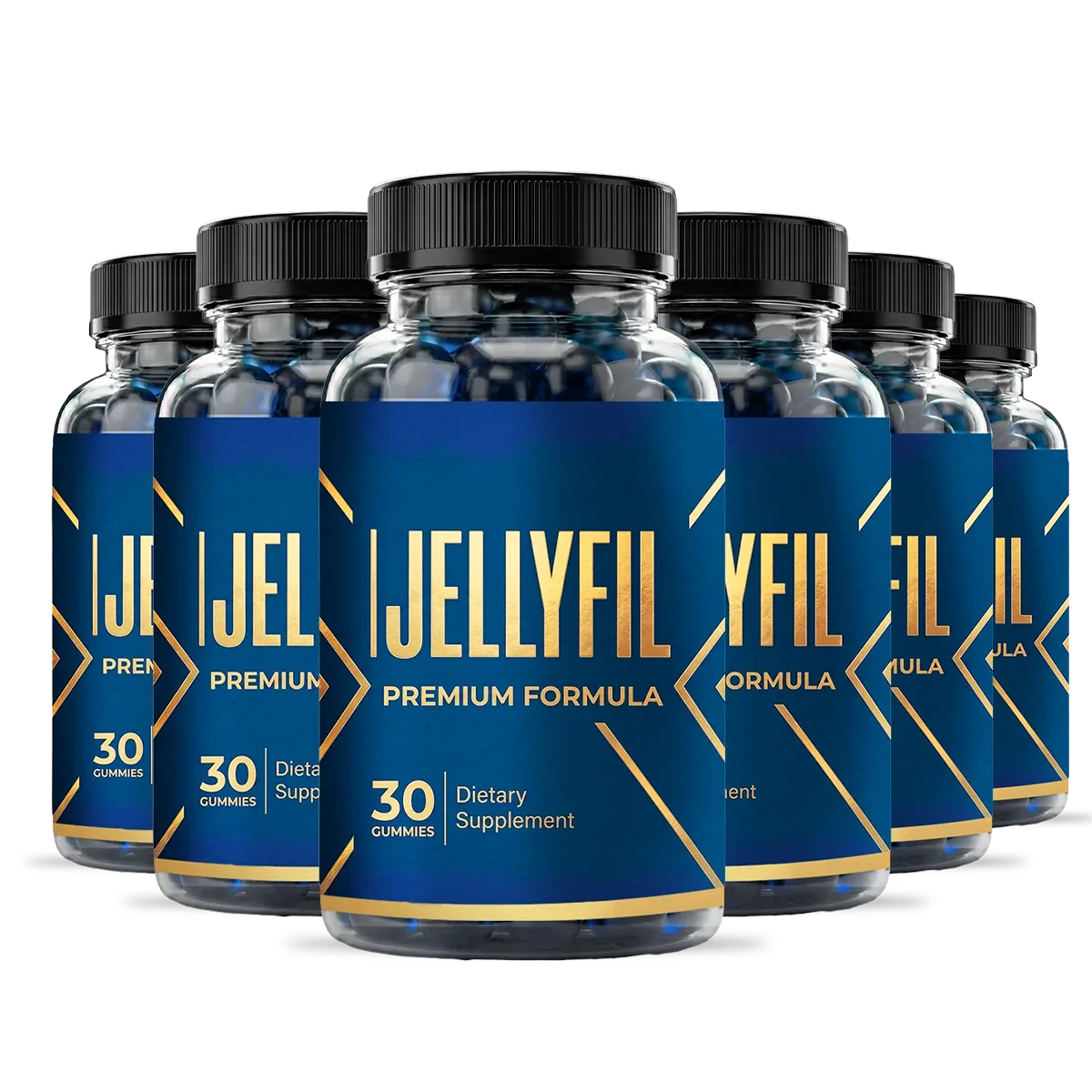
In JellyFil, ashwagandha is the calm-and-hormones active, named on the Supplement Facts panel alongside eight others inside an 82 mg proprietary blend: Muira Puama and Catuaba for desire, L-Arginine for circulation, Maca for stamina, Tribulus rounding out testosterone support, plus green tea extract, 5 mg of caffeine and horny goat weed extract. It works the stress side of the equation while the others cover blood flow and drive — a division of labour we unpack in our guide to stacking vitality ingredients. Because cortisol reduction shows up over weeks of consistent use, JellyFil is built for daily intake, and the same "read the label, not the hype" habit in this article is exactly how we'd tell you to judge it or any competitor. For the wider category view, see our honest guide to male-enhancement gummies.
Prefer the label to the hype?
JellyFil names every active, including its ashwagandha, on the Supplement Facts panel — with today's official-store pricing and a 60-day guarantee.
Order NowFrequently asked questions
What makes KSM-66 different from regular ashwagandha?
KSM-66 is a specific branded extract made only from the root of the plant and standardised to a set level of withanolides, the active compounds. Generic ashwagandha powder is not standardised, so its potency can vary widely from batch to batch. Most of the well-known human trials used a named, standardised root extract rather than raw powder.
What withanolide percentage should I look for?
Standardised root extracts are commonly held to around 5 percent withanolides, and some concentrated extracts state higher figures. The exact number matters less than seeing a number at all, because a stated percentage tells you the product is standardised. A label that lists ashwagandha with no extract type and no percentage gives you nothing to judge.
What dose of ashwagandha is studied?
Most stress and cortisol trials used roughly 300 to 600 mg of a standardised root extract per day, usually for 8 to 12 weeks. That is the range to look for on a label. A very small dose may be there mainly so the ingredient can appear on the panel rather than to match what was actually studied.
Root extract vs whole-plant, does it matter?
It can. The majority of human research, including the trials people cite for stress and testosterone, used root-only extracts. Whole-plant or leaf material has a different compound profile and much less human data behind it. If a label does not say root, you cannot assume it matches the studies, so root extract is the safer thing to look for.
Related reading
- Performance anxiety in men: natural, evidence-based support
- Stacking vitality ingredients: do they work together?
- The best time to take male vitality gummies
- Zinc, testosterone and libido in men: what the evidence says
References
- Wankhede S et al. Examining the effect of Withania somnifera supplementation on muscle strength and recovery: a randomized controlled trial. J Int Soc Sports Nutr. 2015. PMID: 26609282.
- Chandrasekhar K et al. A prospective, randomized double-blind, placebo-controlled study of safety and efficacy of a high-concentration full-spectrum extract of ashwagandha root in reducing stress and anxiety in adults. Indian J Psychol Med. 2012. PMID: 23439798.
- Lopresti AL et al. An investigation into the stress-relieving and pharmacological actions of an ashwagandha (Withania somnifera) extract: A randomized, double-blind, placebo-controlled study. Medicine (Baltimore). 2019. PMID: 31517876.
- National Center for Complementary and Integrative Health — Ashwagandha.