Zinc and Testosterone: What the Evidence Shows in Men
Does zinc raise testosterone in men?
Zinc is essential for making testosterone, so a real deficiency drags levels and libido down — and correcting it restores normal production. But in men who are already replete, extra zinc does not reliably push testosterone higher. It fixes a shortfall rather than acting as a booster. Get enough, not more.
- Helps most: men who are actually zinc-deficient.
- Target intake: RDA around 11 mg/day for adult men; upper limit 40 mg/day.
- Food first: oysters, red meat and pumpkin seeds are top sources.

Why zinc matters for testosterone at all
Zinc is a trace mineral involved in hundreds of enzyme reactions, and several of them sit right on the testosterone assembly line. It plays a role in the signalling that tells the testes to produce testosterone, in the enzymes that convert cholesterol into steroid hormones, and in the health of sperm. Because the body has no large reservoir of zinc to draw on, intake has to be reasonably consistent. When it drops too low for too long, hormone production is one of the systems that suffers — which is why zinc turns up in almost every conversation about male vitality.
That biological importance is real and not controversial. The controversy — and the marketing overreach — starts when "zinc is essential for testosterone" quietly becomes "zinc boosts testosterone." Those are very different claims, and the gap between them is where most men get misled.
What deficiency actually does
The link between low zinc and low testosterone is best seen in people who are genuinely short of it. The classic reference is a study of zinc status and serum testosterone levels in healthy adults, in which restricting zinc in young men lowered their testosterone and supplementing marginally deficient older men raised it back toward normal. Zinc deficiency has also been associated with reduced libido and poorer sperm quality. Populations at higher risk of low zinc include heavy drinkers, people with certain digestive conditions that impair absorption, strict plant-based eaters who do not plan intake carefully, and older adults who eat less overall.
So if you are deficient, correcting that deficiency can genuinely help your testosterone and, often, your drive. This is the strongest and most repeatable finding in the whole area — and it is a story about restoration, not enhancement.
Fixing a zinc deficiency can lift low testosterone back to normal. Adding zinc on top of an already-normal level does not keep pushing it higher.
What supplementation does in men who are already fine
Here is the honest ceiling. In men who already have adequate zinc, piling on more has not produced reliable testosterone increases in controlled trials — a point echoed by a systematic review of the ingredients in popular male testosterone and erectile dysfunction supplements. The hormone system is regulated to sit within a range, and once the raw material is sufficient, extra zinc does not convince the body to overproduce. Some short exercise studies have reported changes in testosterone markers with zinc, but these are inconsistent, often small, and not the same as a lasting rise in a healthy, well-nourished man.
The practical takeaway is refreshingly simple: zinc is a "get enough" nutrient, not a "take more" one. If your diet already covers it, a zinc pill is unlikely to move your testosterone or your libido, and chasing higher doses carries its own risks, which we will get to.

How much zinc, and from where
The recommended dietary allowance for adult men is around 11 mg per day. The tolerable upper intake level for adults — the ceiling considered safe for regular long-term intake from all sources — is 40 mg per day. Most men can hit the target from food without much effort:
- Oysters — by a wide margin the richest source; a few can exceed a day's requirement several times over.
- Red meat and poultry — beef, lamb and dark poultry meat are dependable, well-absorbed sources.
- Crab and other shellfish — solid contributors beyond oysters.
- Pumpkin seeds, cashews, chickpeas, lentils and whole grains — the best plant options, though absorption is lower.
One nuance for plant-based eaters: zinc from plants is partly bound by phytates, compounds that reduce how much you absorb. Soaking, sprouting or fermenting grains and legumes can help, but vegetarians and vegans may need to aim a little above the headline RDA to net the same amount.
When more zinc backfires
Because zinc feels harmless, it is easy to overdo — and that is a mistake. The most important problem with chronic high-dose zinc is that it competes with copper for absorption. Regularly taking more than roughly 40 mg/day can drive down copper status over time, and copper deficiency causes its own issues, including effects on blood cells and nerves. Very high single doses can simply make you nauseous, and sustained excess can blunt immune function rather than support it. If you are going to use a higher-dose zinc course to correct a genuine deficiency, it is worth doing under guidance and keeping an eye on copper.
Zinc, libido and the bigger picture
Libido is not controlled by any single nutrient. It rides on testosterone, yes, but also on sleep quality, stress, blood flow, relationship context and mood. Zinc's role in that web is foundational rather than dramatic: keep it adequate so the hormonal machinery has what it needs, then look to the larger levers for the changes you can actually feel. If your drive is low and your diet is poor, tightening up basics like zinc is a sensible early move; if your diet is already solid, the returns from more zinc are small.
Where JellyFil fits — and where it doesn't
To be straight with you: JellyFil does not contain zinc. Its formula is an 82 mg proprietary blend of nine named ingredients — Muira Puama, Catuaba, L-Arginine, Maca, Ashwagandha, Tribulus, green tea, caffeine and horny goat weed — so it approaches the hormonal side of vitality through adaptogens associated with healthy testosterone and lower cortisol rather than through a mineral. That is a deliberate design choice, not an oversight: zinc is best handled by your plate, where most men already get enough, while a daily gummy focuses on the botanicals and the blood-flow amino acid that are harder to get from food.
So the sensible way to read this article is as a foundation check. Cover zinc through food, treat a real deficiency with a clinician's help, and let a supplement like JellyFil work on the levers it is actually built for. For the adaptogen side of the testosterone story, our piece on Ashwagandha, cortisol and testosterone goes deeper, and for the myths that cloud this whole topic, see our testosterone myths, debunked.
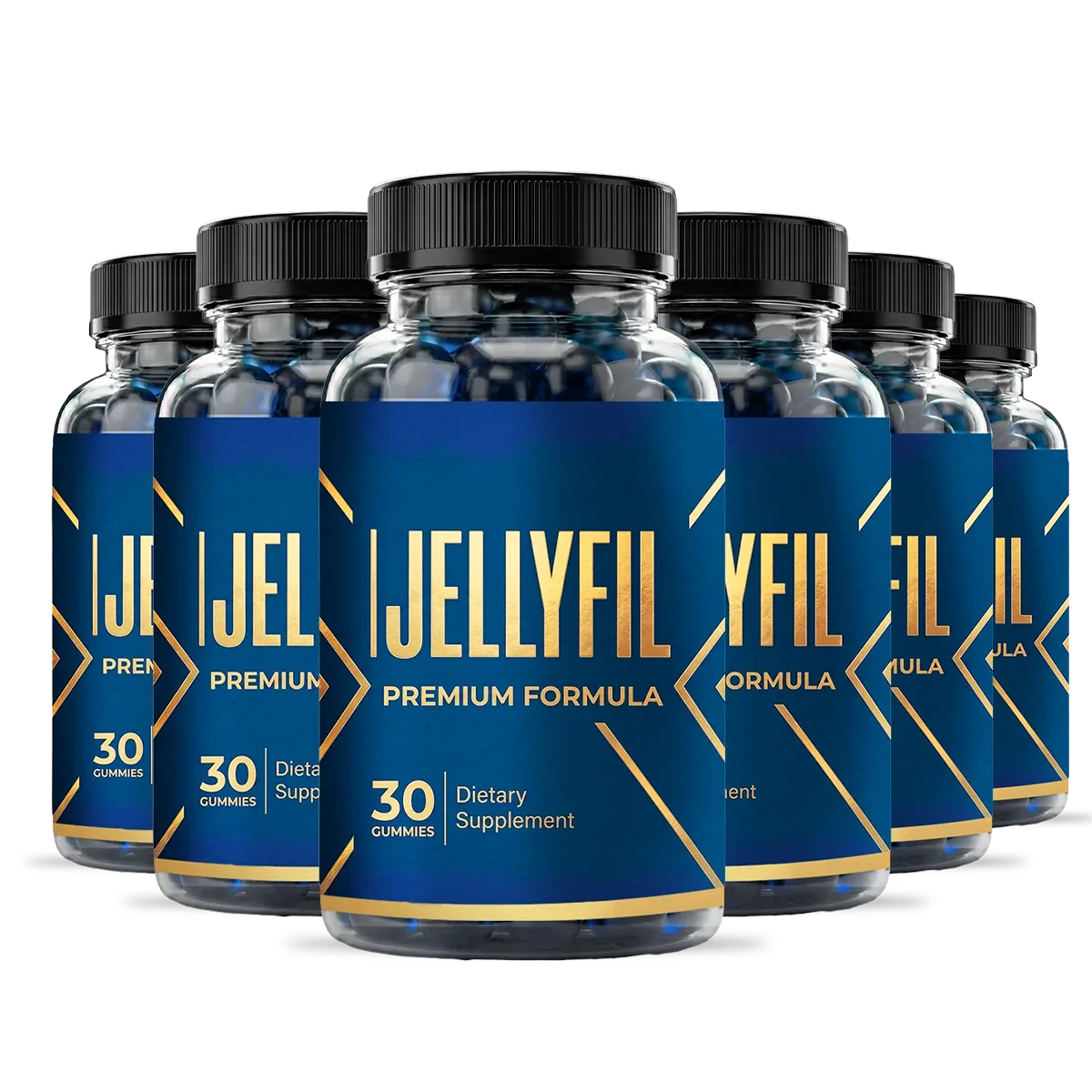
See JellyFil's approach to healthy testosterone
Every active is named on the JellyFil Supplement Facts panel inside a single 82 mg proprietary blend, with today's official-store pricing and the 60-day guarantee.
Order NowFrequently asked questions
Does zinc boost testosterone if I'm not deficient?
Mostly no. The clearest testosterone gains from zinc show up in men who were deficient to begin with — correcting the shortfall lets normal production resume. In men who are already replete, adding more zinc has not reliably raised testosterone in trials. Think of zinc as a permission slip your body needs, not an accelerator that pushes levels above normal.
How much zinc is safe per day for men?
The recommended dietary allowance for adult men is about 11 mg per day, and the tolerable upper intake level for adults is 40 mg per day from all sources combined. Most men can meet their needs from food. Higher short-term doses are sometimes used to correct a deficiency, but that is best done with a clinician rather than indefinitely on your own.
What are the best food sources of zinc?
Oysters are by far the richest source, followed by red meat, poultry, crab and other shellfish, then pumpkin seeds, cashews, chickpeas, lentils and whole grains. Zinc from animal foods is absorbed more easily than zinc from plants, which is partly bound up by phytates, so plant-heavy eaters may need to pay a little more attention.
Can too much zinc cause problems?
Yes. Regularly exceeding about 40 mg per day can interfere with copper absorption and lead to copper deficiency, while very high intakes can cause nausea and impair immune function. More is not better once you are replete — the goal is sufficiency, not excess, and long-term high-dose zinc should be paired with attention to copper status.
Related reading
- Boron and Free Testosterone: What the Research Shows
- Belly Fat and Testosterone: The Two-Way Street
- Testosterone Myths for Men, Debunked
- KSM-66 Ashwagandha: What to Look For
References
- Prasad AS et al. Zinc status and serum testosterone levels of healthy adults. Nutrition. 1996. PMID: 8875519.
- Kuchakulla M et al. A systematic review and evidence-based analysis of ingredients in popular male testosterone and erectile dysfunction supplements. Int J Impot Res. 2021. PMID: 32358510.
- NIH Office of Dietary Supplements — Zinc fact sheet for health professionals.
- MedlinePlus Medical Encyclopedia — Zinc in diet.