Boron and Free Testosterone: A Small Mineral's Role
Does boron raise free testosterone?
Possibly a little, but indirectly. A small week-long study using about 10 mg of boron a day reported lower SHBG, a higher share of free testosterone, and reduced estradiol and inflammation. The evidence is early and thin, so treat boron as a promising trace mineral to watch rather than a proven testosterone booster.
- Mechanism: boron appears to lower SHBG so more existing testosterone stays free.
- Dose studied: roughly 3 to 10 mg a day, well under the 20 mg upper limit.
- Caveat: one tiny study drives most headlines; results elsewhere are mixed.

What boron actually is
Boron is a trace mineral. You almost certainly already eat it every day without thinking about it — it is concentrated in fruit like raisins and prunes, in nuts, legumes and avocados, and in some drinking water. Most people take in somewhere between 1 and 3 milligrams daily from an ordinary diet. Unlike calcium or magnesium, boron has no formal recommended dietary allowance, because science has never nailed down a single essential function the way it has for the major minerals. That ambiguity is worth holding in mind for the rest of this article: boron sits in the interesting middle ground between "clearly essential" and "clearly optional."
What has kept boron on the radar of men's-health writers is a cluster of small studies suggesting it may influence hormone chemistry. Specifically, the mineral has been linked to changes in how testosterone travels through the blood, to estrogen metabolism, to vitamin D handling, and to markers of inflammation. None of those effects is dramatic, and most rest on limited data. But the direction of the findings is consistent enough to explain why boron keeps appearing in "testosterone" conversations.
SHBG: the reason free testosterone matters
To understand the boron story you have to understand a protein called sex hormone binding globulin, or SHBG. Your liver produces SHBG, and it acts like a fleet of taxis for sex hormones. When testosterone is bound to SHBG, it is locked away — parked, unavailable, unable to dock with the receptors in muscle, brain and other tissues that actually respond to it. Only the testosterone that is free, or loosely bound to albumin, can get out of the taxi and do its job.
This is why two men can have an identical total testosterone number on a lab report and feel completely different. If one has high SHBG, much of his testosterone is bound and inactive, and his free testosterone — the fraction that counts — is low. This is also why simply chasing a bigger total-testosterone figure can be misleading. What you feel is driven far more by the free and bioavailable share.
Boron's headline claim slots neatly into this picture. The suggestion is not that boron builds more testosterone from scratch, but that it lowers SHBG so that a larger slice of the testosterone you already make stays free and usable. That is a subtler and, frankly, more believable mechanism than the "supercharge your T" language that sells so many products.
Boron does not appear to make more testosterone. The interesting claim is that it frees up more of the testosterone you already have.
What the human studies actually found
The study everyone cites is genuinely small. Researchers gave a group of healthy men roughly 10 milligrams of boron a day for one week and measured a set of hormones and blood markers before and after. Over that short window they reported a rise in free testosterone, a drop in SHBG, a fall in estradiol (a form of estrogen), and reductions in inflammatory markers such as hs-CRP and certain cytokines. On paper that is an appealing combination for men interested in vitality: more free testosterone, less estrogen, less inflammation. Follow-up work comparing daily and weekly boron supplementation on plasma steroid hormones and proinflammatory cytokines looked at whether the schedule changes the result.
A separate line of research looked at longer supplementation and at boron's effect on vitamin D and estrogen metabolism, with some studies in postmenopausal women and in men reporting shifts in steroid hormones. Taken together, the literature paints boron as a mineral that plausibly interacts with hormone chemistry. But it is important to be precise about the limits.
The famous free-testosterone result came from a very small sample over just seven days. A week is long enough to detect a signal but far too short to say anything about whether the change persists, whether it translates into how a man actually feels, or whether it holds up in a larger and more diverse group. Other studies have produced mixed or muted findings. No large, long, independent trial has established boron as a reliable free-testosterone lever. So the honest summary is: intriguing early signal, thin overall evidence.
How much boron is safe?
This is the reassuring part of the story. Boron has a fairly wide safety margin at the doses people discuss. Everyday diets supply a few milligrams. Research doses generally sit between 3 and 10 milligrams per day. The U.S. Institute of Medicine set a tolerable upper intake level of 20 milligrams a day for adults, which means the amounts used in studies are comfortably below the ceiling where problems are expected. Very high intakes — well beyond supplement territory — can cause nausea and other symptoms, but those are not the doses anyone recommends.
Still, "generally safe at low doses" is not the same as "risk-free for everyone." Boron can interact with hormone-sensitive conditions and with certain medications, and it is not something to megadose on the theory that if a little helps, more helps more. It does not. If you take prescription drugs, manage a health condition, or are unsure, run it past a doctor or pharmacist before adding a boron supplement. This is general information, not medical advice.
Where boron fits — and where JellyFil actually focuses
Here is the transparent part. Boron is not one of the actives in JellyFil. Rather than lean on a single trace mineral with one short study behind it, JellyFil is built around a set of botanicals, an amino acid and adaptogens that each have a clearer job: L-Arginine for the nitric-oxide and blood-flow side, Maca for energy and stamina, Ashwagandha for stress and cortisol, and Muira Puama, Catuaba and Tribulus for libido and testosterone support. We would rather tell you what is on the label than imply an ingredient is present when it is not.
So think of boron as a companion topic. If you want to experiment with it, it is inexpensive, food-derived and low-risk at sensible doses — a reasonable thing to trial while you keep the bigger levers dialled in. Just do not expect a trace mineral to outweigh sleep, training, body composition and stress, all of which move SHBG and free testosterone more powerfully than any single capsule. That scepticism is not specific to boron: a systematic review and evidence-based analysis of the ingredients in popular male testosterone and erectile-dysfunction supplements found that most actives sold in this market carry limited or mixed human evidence for the outcomes they are marketed against. For the wider view of whether this category earns its keep, read our honest guide to male-enhancement gummies.
Prefer the label to the hype?
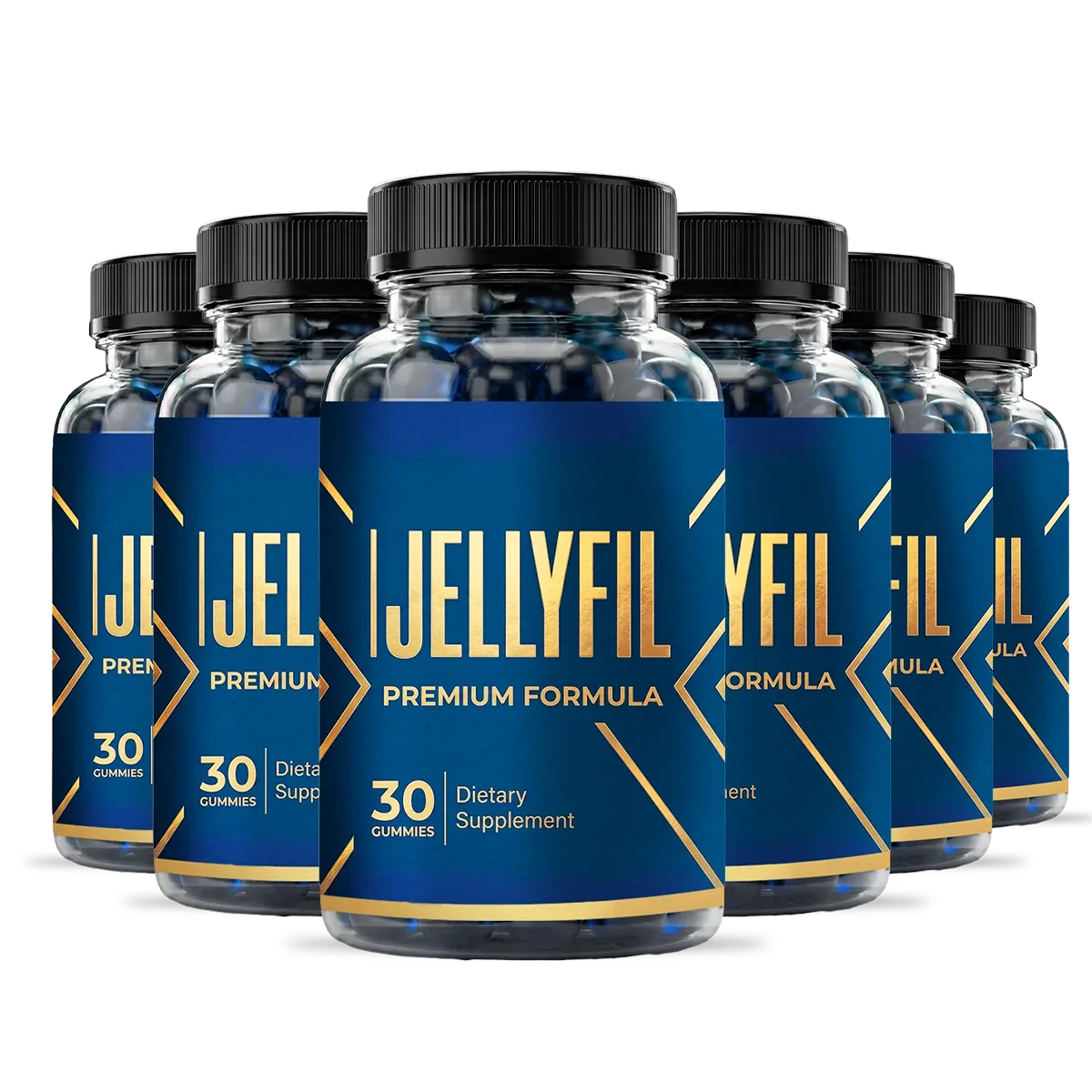
JellyFil names every active on the Supplement Facts panel — botanicals, an amino acid and adaptogens chosen for the free-testosterone, blood-flow and stress levers that matter most, with today's official-store pricing and a 60-day guarantee.
Order NowRelated reading
- Zinc, testosterone and libido in men
- Testosterone myths for men, debunked
- L-citrulline vs L-arginine for men
- Stacking vitality ingredients: does synergy exist?
Frequently asked questions
What does boron do for testosterone?
Boron's most-cited effect is indirect. In a small, short study, roughly 10 mg a day for a week was linked to lower sex hormone binding globulin (SHBG) and a higher share of free, unbound testosterone, alongside lower estradiol and inflammation markers. It appears to shift how existing testosterone is carried rather than manufacturing more of it.
What is SHBG and why does it matter?
SHBG is a protein made mainly in the liver that binds tightly to testosterone in the bloodstream. Testosterone locked to SHBG is not biologically active. Only the free and loosely bound portion reaches tissues. So if SHBG falls, a larger fraction of your existing testosterone becomes usable, which is why SHBG is central to any boron discussion.
How much boron is safe?
Most diets supply 1 to 3 mg of boron daily from fruit, nuts and legumes. Research doses sit near 3 to 10 mg. The U.S. Institute of Medicine set a tolerable upper intake of 20 mg a day for adults, so study doses are well under that ceiling. Stay well below the upper limit, and speak to a doctor before supplementing if you take medication or manage a health condition.
Is boron proven to raise free testosterone?
No. The evidence is early and thin. The best-known result comes from a very small study over just one week, and findings across the literature are mixed. Boron is a plausible, low-cost lever worth watching, but calling it proven overstates what a handful of tiny studies can support. Treat it as a promising trace mineral, not a guaranteed testosterone booster.
References
- Naghii MR et al. Comparative effects of daily and weekly boron supplementation on plasma steroid hormones and proinflammatory cytokines. J Trace Elem Med Biol. 2011. PMID: 21129941.
- NIH Office of Dietary Supplements — Boron fact sheet for health professionals.
- Kuchakulla M et al. A systematic review and evidence-based analysis of ingredients in popular male testosterone and erectile dysfunction supplements. Int J Impot Res. 2021. PMID: 32358510.
- Institute of Medicine — Dietary Reference Intakes: tolerable upper intake levels for boron.