L-Citrulline vs L-Arginine: Which Boosts Blood Flow?
Which amino acid boosts blood flow better?
Both feed nitric oxide, but they get there differently. L-arginine is the direct substrate; L-citrulline is converted to arginine in the kidneys and usually raises plasma arginine more reliably because it escapes the first-pass breakdown that destroys much of an oral arginine dose. For raw blood-flow support, citrulline often has the efficiency edge.
- L-arginine: direct nitric-oxide substrate, but heavily degraded in the gut and liver.
- L-citrulline: bypasses first-pass metabolism; 3-6 g/day studied for circulation.
- JellyFil uses L-Arginine — the traditional choice, with the trade-off explained honestly below.
Two amino acids, one pathway
If you have read anything about circulation and male performance, you have met nitric oxide. It is the tiny signalling gas that tells the smooth muscle in your blood-vessel walls to relax, which widens the vessel and lets blood flow more freely at lower pressure. The discovery that a gas could work as a biological signal earned the 1998 Nobel Prize in Physiology or Medicine, and it is the reason nitric-oxide "boosters" fill the supplement aisle. Both L-arginine and L-citrulline sit upstream of that same pathway, which is exactly why people confuse them.
Here is the clean version. An enzyme family called nitric oxide synthase takes L-arginine and oxygen and produces nitric oxide. So arginine is the direct raw material. L-citrulline is one step further back: it is not used to make nitric oxide directly, but your body converts citrulline into arginine, mostly in the kidneys, replenishing the arginine pool. On paper, arginine looks like the obvious winner because it is the substrate itself. In the body, it is not that simple — and the reason is digestion.
The first-pass problem that changes everything
When you swallow L-arginine, it does not travel untouched to your bloodstream. A large fraction is broken down before it ever gets there. An enzyme called arginase, active in the gut wall and the liver, chews through much of an oral arginine dose on what physiologists call the "first pass." Estimates vary, but a substantial share of swallowed arginine simply never reaches systemic circulation. This is the single most important fact in the whole comparison, and it is why arginine study doses are often high — several grams at a time — just to get a meaningful amount past the gauntlet.
L-citrulline dodges that gauntlet. It is poorly targeted by arginase and passes through the gut and liver largely intact, then gets converted to arginine downstream in the kidneys. The counter-intuitive result, shown in a randomised comparison of the pharmacokinetic and pharmacodynamic properties of oral L-citrulline and L-arginine, is that gram-for-gram oral L-citrulline can raise blood arginine levels more than oral L-arginine does. You take the precursor and end up with more of the active substrate than if you had taken the substrate directly. It sounds like a paradox, but it is really just a lesson in bioavailability.
The best way to raise your arginine is sometimes not to take arginine at all — because most of a swallowed arginine dose never makes it past your liver.
What the human evidence actually shows
Neither amino acid is magic, and both have genuinely mixed literature. For L-arginine, the strongest human data sits around endothelial function — how well the vessel lining dilates — with some studies also reporting small reductions in blood pressure, most clearly in people who started with impaired vascular function. Exercise research using arginine to support blood flow and reduce fatigue is a coin toss: results depend heavily on dose and on who was studied. The most relevant sexual-function evidence is a multicentre randomised trial of long-term high-dose L-arginine in men with vasculogenic erectile dysfunction, while for citrulline the reference point is a trial of oral L-citrulline and erection hardness in men with mild erectile dysfunction.
L-citrulline has become the researcher's favourite precisely because of its absorption advantage. Trials in the region of 3 to 6 grams per day, often using citrulline malate, have looked at blood-flow markers, blood pressure and exercise performance, with a reasonable signal for supporting circulation and reducing perceived fatigue during training. There is also a small body of work on citrulline and erectile firmness in men with mild difficulty, where daily citrulline produced modest improvements — encouraging, but limited by small sample sizes and short durations. The honest summary is that citrulline tends to be the more efficient way to nudge the nitric-oxide system, while the size of any real-world benefit is still modest and varies a lot between individuals.
Head-to-head: the practical differences
- Bioavailability. Citrulline wins. It escapes first-pass metabolism and raises plasma arginine more efficiently than arginine itself.
- Directness. Arginine wins on paper — it is the actual substrate — but that advantage is blunted by how much is destroyed before absorption.
- Dose to see effects. Arginine studies often use several grams, sometimes split through the day; citrulline shows effects in the 3-6 g range, typically once daily.
- Tolerance. High-dose arginine more commonly causes digestive upset; citrulline is usually gentler on the gut at comparable doses.
- Track record. Arginine has the longer history in vitality formulas; citrulline has the newer, cleaner pharmacokinetic case.
Dose, timing and safety
For L-arginine, human studies span roughly 1.5 g up to 6 g or more per day, frequently split into smaller doses to work around the absorption ceiling. For L-citrulline, 3-6 g/day is the usual research window, and because it lingers longer it does not need to be split as aggressively. With either one, timing matters far less than consistency: you are supporting a background process, not triggering an on-demand event, so daily use over weeks is what the trials actually measured.
Safety-wise, both are generally well tolerated, with digestive discomfort the most common complaint and more likely with high-dose arginine. The interactions that matter are cardiovascular. Because both act on blood flow, anyone taking nitrates or blood-pressure medication, or living with a heart condition, should talk to a doctor before using either. Arginine can also feed certain viral processes, so people prone to cold sores sometimes report more outbreaks — a quirk citrulline does not share to the same degree. None of this is exotic; it is simply why a responsible label points you to a clinician instead of telling you to double the scoop.
So why does JellyFil use L-Arginine?
Given citrulline's absorption edge, it is fair to ask why JellyFil's circulation pillar is L-Arginine rather than citrulline. The honest answer is that arginine is the direct nitric-oxide substrate and the more established ingredient in men's-vitality formulas, and JellyFil is built as a once-daily gummy where a named, well-recognised active does real work alongside the rest of the blend. The trade-off we will not hide is the one above: citrulline can raise plasma arginine more efficiently, so if raw nitric-oxide efficiency were the only goal, citrulline would have a case. JellyFil's design bet is different — a balanced, label-transparent blend where L-Arginine handles circulation while Maca, Ashwagandha and Tribulus handle the hormonal side and Muira Puama and Catuaba handle desire.
If you want the deeper mechanism behind why circulation matters at all for men, our companion piece on endothelial health and erections walks through the vessel-lining side, and our L-arginine and nitric oxide guide covers the arginine half in more depth. The key point is that no single amino acid carries a formula — circulation is one lever among several, and the lifestyle levers below matter at least as much.
The lifestyle levers that beat any powder
It is worth saying plainly: the biggest inputs to your nitric-oxide system are not in a jar. Regular aerobic exercise trains your endothelium to produce more nitric oxide on demand. A diet rich in nitrate-containing vegetables — leafy greens and beetroot — feeds a separate, food-based nitric-oxide pathway. Not smoking, managing blood pressure, and keeping body fat in a healthy range all protect the vessel lining that makes the whole system work. Any amino acid, arginine or citrulline, is a supporting actor to those fundamentals, never a replacement for them.
See how JellyFil uses L-Arginine
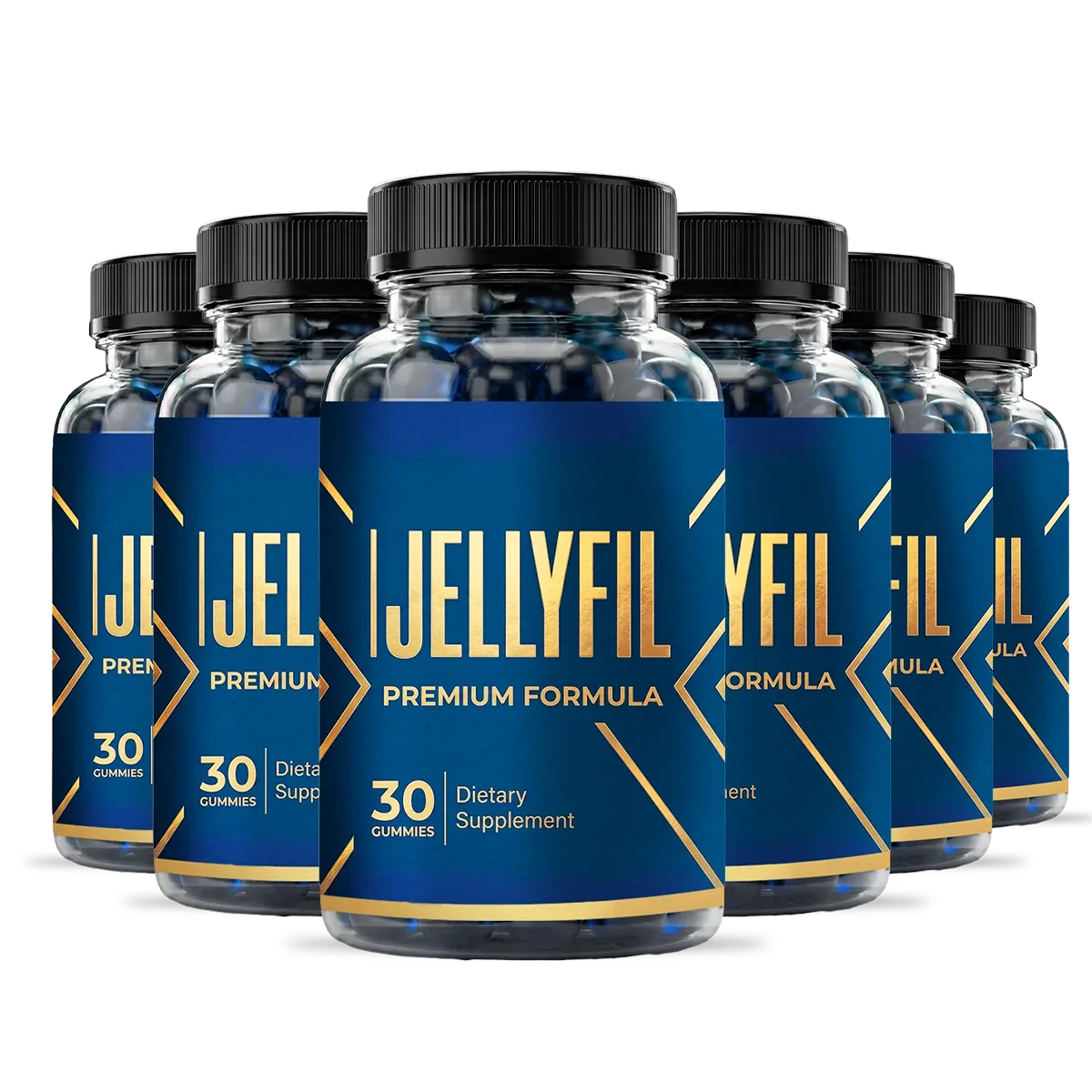
Every active is named on the JellyFil Supplement Facts panel inside a single 82 mg proprietary blend, with today's official-store pricing and the 60-day guarantee.
Order NowFrequently asked questions
Is L-citrulline better absorbed than L-arginine?
Generally, yes. A large share of oral L-arginine is broken down by the enzyme arginase in the gut wall and liver on first pass, so much of a dose never reaches the bloodstream. L-citrulline sidesteps that first-pass metabolism and is converted to arginine in the kidneys, which is why gram-for-gram it often raises plasma arginine more reliably than arginine taken directly.
Can I take L-citrulline and L-arginine together?
Yes. They act on the same nitric-oxide pathway from different angles — arginine supplies substrate directly, while citrulline tops up the arginine pool over a longer window — and studies have combined them without notable problems. If you take blood-pressure medication or nitrates, or have a heart condition, clear it with your doctor first, because both act on blood flow.
How long before L-citrulline affects blood flow?
Plasma arginine tends to rise within about an hour of a single citrulline dose, but the circulatory and performance effects in trials are usually measured after regular daily use at roughly 3 to 6 grams per day over one to several weeks. Treat it as background support built through consistency, not an on-demand switch.
Does JellyFil use citrulline or arginine?
JellyFil uses L-Arginine, not citrulline. It is the direct nitric-oxide substrate and the more traditional choice in vitality formulas. The honest trade-off is that citrulline can raise plasma arginine more efficiently because it escapes first-pass breakdown, which is exactly why we lay out both sides here.
Related reading
- Endothelial Health and Erections: The Vessel-Lining Connection
- Boron and Free Testosterone: What the Research Shows
- Cardio vs Weightlifting for Testosterone and Blood Flow
- Stacking Vitality Ingredients: Does Synergy Really Happen?
References
- Cormio L et al. Oral L-citrulline supplementation improves erection hardness in men with mild erectile dysfunction. Urology. 2011. PMID: 21195829.
- Schwedhelm E et al. Pharmacokinetic and pharmacodynamic properties of oral L-citrulline and L-arginine: impact on nitric oxide metabolism. Br J Clin Pharmacol. 2008. PMID: 17662090.
- Menafra D et al. Long-term high-dose L-arginine supplementation in patients with vasculogenic erectile dysfunction: a multicentre, double-blind, randomized, placebo-controlled clinical trial. J Endocrinol Invest. 2022. PMID: 34973154.
- The Nobel Prize in Physiology or Medicine 1998 — nitric oxide as a signalling molecule in the cardiovascular system.