Kegel Exercises for Stronger Erections: A Men's Guide
Do kegels really improve erections?
Yes — pelvic-floor training is one of the few no-cost, low-risk habits with real trial support for erection firmness. Strengthening these muscles helps trap blood in the penis during an erection. Trials show improvement over 8-12 weeks; one six-month study saw about 40% of men regain normal function and roughly a third more improve.
- What it trains: the pelvic-floor muscles that help maintain rigidity.
- Technique: squeeze 3-5 s, relax, repeat about 10x, three times daily.
- Timeline: give it 8-12 weeks of consistent practice.

What the pelvic floor actually does
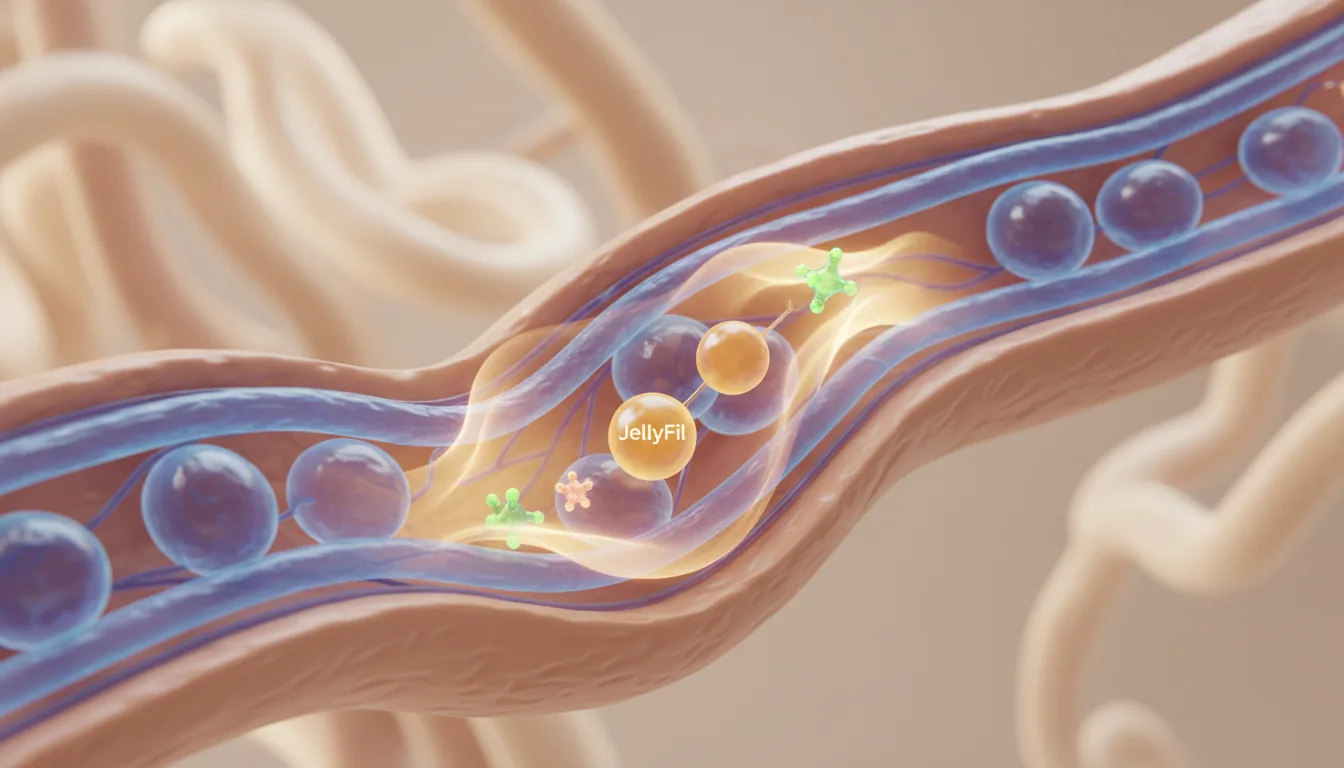
The pelvic floor is a hammock of muscles slung between your tailbone and pubic bone. In men, two in particular — the bulbocavernosus and ischiocavernosus — wrap around the base of the penis and play a direct mechanical role in erections. When you get an erection, blood flows into the spongy tissue; these muscles then contract to compress the veins that would otherwise drain that blood away, helping to trap it and keep the erection firm. They are also the muscles that pulse during ejaculation. In short, blood flow gets an erection started, but the pelvic floor helps it stay hard.
That is the mechanical logic behind training them. If those muscles are weak or poorly coordinated, blood can leak back out too easily, and firmness suffers. Strengthen and coordinate them, and you improve the body's ability to maintain rigidity — which is exactly what the research has tested.
What the evidence shows
Pelvic-floor exercise for men is not folk wisdom; it has been studied in controlled settings. The most cited work is a British randomised controlled trial of pelvic floor exercises for erectile dysfunction, which put men with erectile difficulty through a structured pelvic-floor programme with biofeedback and lifestyle advice. Over roughly three to six months, a large share improved: in the widely quoted figures, about 40% regained normal erectile function and around 35% further improved, while only a minority saw no change. Later reviews of pelvic-floor training have reached broadly supportive conclusions, particularly for men whose difficulty involves venous leak or follows certain prostate procedures.
Two honest points keep this in perspective. First, effects build over weeks to months, not days — most trials run 8-12 weeks at minimum. Second, pelvic-floor training is most impressive as a low-risk first-line habit and as part of a broader plan, not as a guaranteed standalone fix for every cause of difficulty. But for something that is free, private and carries essentially no downside, that is a remarkably good evidence profile.
Blood flow starts an erection; the pelvic floor helps hold it. Kegels train the "holding" half most men never think about.
How to find the right muscles
The hardest part of kegels is making sure you are contracting the right thing. The classic cue is to imagine stopping the flow of urine midstream, or tightening as if to stop yourself passing wind. The squeezing, lifting sensation you feel deep in the pelvis — not in your abs, thighs or buttocks — is your pelvic floor. A useful check: place a hand on your belly and make sure it stays relaxed while you squeeze, so you know you are isolating the pelvic floor rather than bracing your core.
One important warning: use the stop-the-urine trick only to locate the muscle, not as your actual exercise. Repeatedly interrupting your urine flow can, over time, interfere with normal bladder emptying. Once you can find the muscles, do your training separately from urinating.
The technique, step by step
- Get in position. Beginners often find it easiest lying down, so gravity is not working against you. Once you improve, you can do them sitting or standing — including discreetly at your desk.
- Squeeze and lift. Contract the pelvic-floor muscles and hold for 3-5 seconds. Keep breathing normally; do not hold your breath or clench your glutes and abs.
- Relax fully. Release for the same 3-5 seconds. Complete relaxation between reps is not optional — it is half the exercise, because you are training control, not just strength.
- Repeat. Aim for about 10 repetitions, and do the set three times a day.
- Add quick flicks. Once comfortable, mix in fast one-second squeeze-and-release contractions to train the muscle's rapid response as well as its endurance.
If you can only manage a two-second hold or a handful of reps at first, that is fine — start there and build. Consistency over weeks matters far more than heroics on day one, and doing too much too soon can leave the muscles fatigued and less effective.
Common mistakes to avoid
- Recruiting the wrong muscles. If your stomach, thighs or buttocks tense, you are not isolating the pelvic floor. Dial the effort back until you can feel just the internal lift.
- Holding your breath. Breathe normally throughout; breath-holding usually means you are bracing rather than contracting the target muscles.
- Skipping the relax phase. A pelvic floor that is chronically tense can be as problematic as a weak one. The release is a real part of the rep.
- Impatience. Giving up at two weeks. This is muscle training — the meaningful gains show up across months.
How kegels fit with everything else
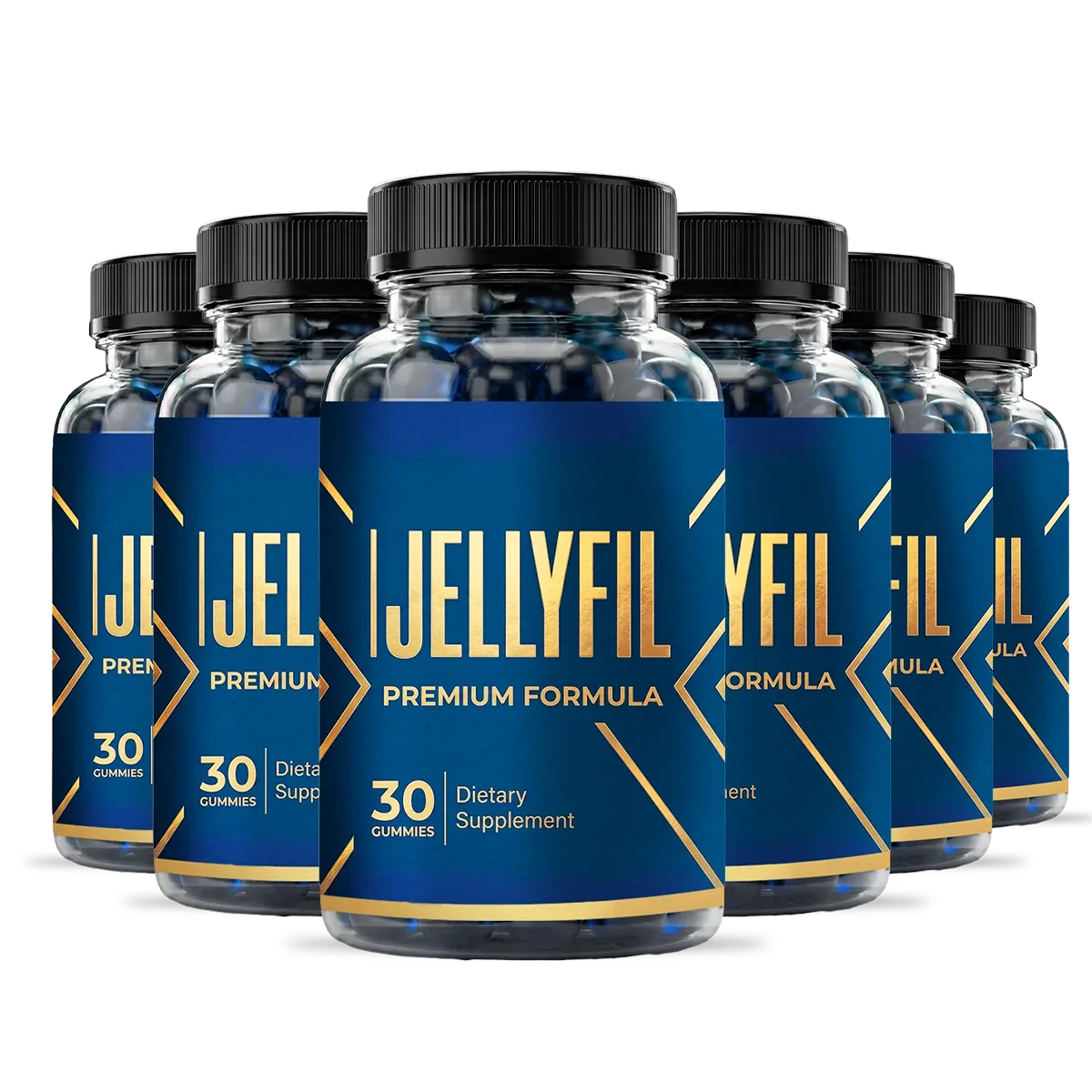
The reason we cover kegels on a supplement site is honesty about mechanism. Erections depend on several systems working together: healthy blood flow to fill the tissue, adequate hormones and desire to start the process, a calm-enough nervous system to allow it, and strong-enough pelvic-floor muscles to maintain it. Different tools address different parts of that chain. Kegels train the muscles. A supplement like JellyFil is built around L-Arginine for nitric-oxide blood flow, plus Maca, Ashwagandha and Tribulus for the hormonal and stress side, with Muira Puama and Catuaba for desire. Prescription medication, where appropriate, acts on demand on the blood-flow step.
These are complementary levers, not competitors. In fact, pairing pelvic-floor training with the circulation and lifestyle basics is a more robust strategy than leaning on any single one. If you want to go deeper on the other levers, our guides to endothelial health and erections, performance anxiety and natural support, and sleep quality and erection quality cover the pieces kegels do not. And to be clear: persistent difficulty can be an early sign of a treatable health issue, so it is worth a conversation with a doctor rather than self-managing indefinitely.
Support the blood-flow side while you train the muscles
JellyFil pairs L-Arginine, Maca, Ashwagandha and more in a once-daily gummy — all nine actives named on the label inside a single 82 mg proprietary blend, with today's official-store pricing and a 60-day guarantee.
Order NowFrequently asked questions
How long until kegels improve erections?
Most trials measure improvement over 8 to 12 weeks of consistent daily training, and one six-month study found roughly 40% of men regained normal function with about a third more improving. Like any muscle work, the gains come from steady practice rather than a single session, so give it a couple of months before judging whether it is working for you.
How do I find the right pelvic floor muscles?
The simplest cue is the muscle you would use to stop the flow of urine midstream, or to stop yourself passing wind. That squeezing, lifting sensation is your pelvic floor. Use the stop-urine trick only to identify the muscle, not as a regular exercise, because repeatedly interrupting your flow during urination can cause its own problems.
How many kegels should I do per day?
A common protocol is to squeeze and hold for 3 to 5 seconds, relax fully for the same length of time, and repeat about 10 times, three times a day. Full relaxation between repetitions matters as much as the squeeze, because you are training control and endurance, not just raw strength. Build up gradually if you can only manage shorter holds at first.
Can kegels replace supplements or medication?
Not exactly — they do a different job. Kegels strengthen the pelvic-floor muscles that help trap blood during an erection, while supplements like JellyFil target blood flow and hormones and medication works on demand. They are complementary levers, and combining pelvic-floor training with healthy circulation and lifestyle habits is more robust than relying on any one alone. Speak to a doctor about persistent difficulties.
Related reading
- Endothelial Health and Erections: The Vessel-Lining Connection
- Performance Anxiety: Natural Support for Men
- Cardio vs Weightlifting for Testosterone and Blood Flow
- Sleep Quality and Erection Quality in Men
References
- Dorey G et al. Pelvic floor exercises for erectile dysfunction. BJU Int. 2005. PMID: 16104916.
- MedlinePlus Medical Encyclopedia — Pelvic floor muscle training exercises.
- NHS — Erection problems (erectile dysfunction), including pelvic-floor exercises.
- National Institute on Aging — Sexuality and intimacy in older adults.