Muira Puama and Catuaba: Two Amazonian Aphrodisiacs
The short version
Muira Puama and Catuaba are two bark-derived botanicals from the Amazon basin, traditionally used to support sexual desire. They are the pair many libido formulas — JellyFil included — build their "desire" pillar around. The honest position: the traditional use is centuries deep and the modern human evidence is thin. There is enough early and observational data to make them reasonable inclusions, and not enough to promise a specific result.
- Muira Puama: nicknamed "potency wood," used for desire and drive.
- Catuaba: a traditional companion botanical, used for desire and a sense of vitality.
- Evidence status: strong tradition, limited controlled trials — treat claims with care.
Muira Puama: the "potency wood"
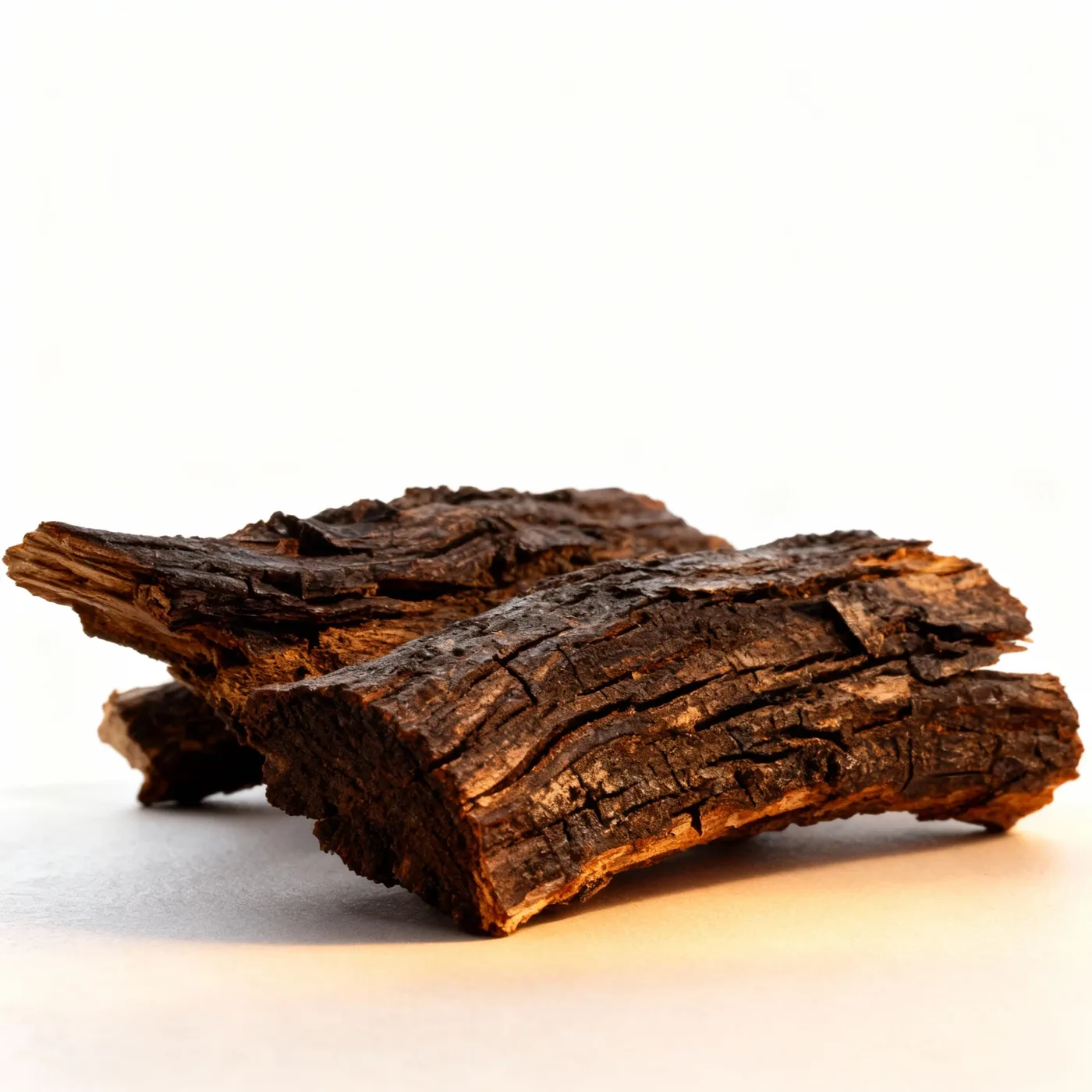
Muira Puama comes from small trees native to the Amazon, most commonly Ptychopetalum olacoides. In the traditional medicine of the region the bark and root were brewed and used broadly as a tonic, with a long-standing reputation for supporting sexual desire — hence the nickname "potency wood." Western herbalists picked it up in the twentieth century, and it has been a fixture of men's-vitality blends ever since.
The modern research is where honesty is required. Most of what exists is older, small, or observational — for example, clinician-run case series reporting that a portion of men using Muira Puama (often combined with other botanicals) described improved desire or function. That kind of report is a signal worth noticing, but it is not a randomised, placebo-controlled trial, and it cannot rule out expectation effects. An ethnopharmacological survey of Brazilian plants studied as possible adaptogens places Ptychopetalum olacoides squarely in that category: documented traditional use and pre-clinical interest, without the controlled human trials that would settle the question. So the fair statement is that Muira Puama has a genuine traditional pedigree and encouraging but preliminary human data.
A long tradition is a reason to study an ingredient, not a substitute for having studied it. Both things can be true at once.
Catuaba: the traditional companion
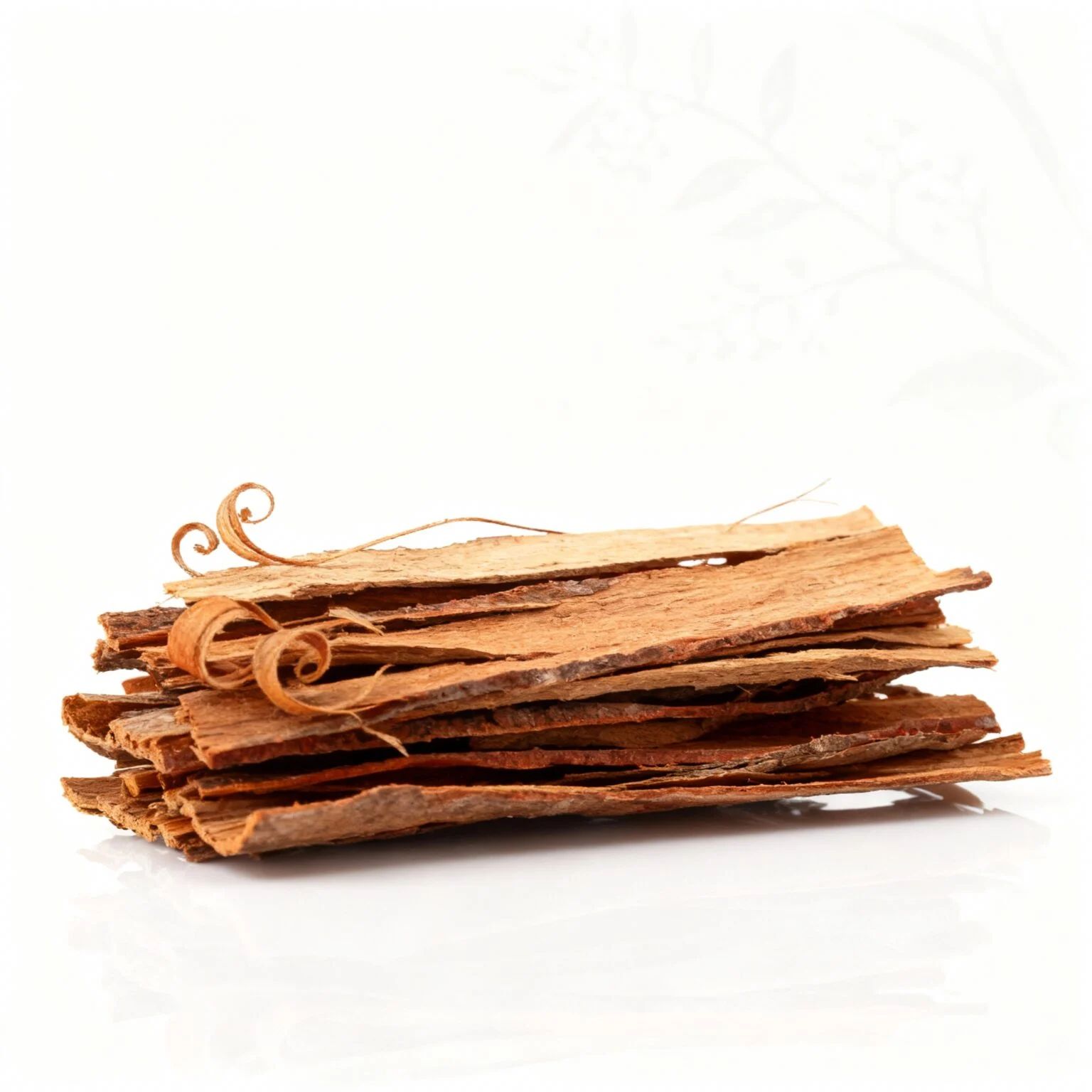
Catuaba is a name applied to the bark of several Brazilian trees, Trichilia catigua and Erythroxylum species among them. In practice it is the botanical most often paired with Muira Puama, and the two are frequently sold together as a traditional combination for desire and vitality. Pre-clinical work — meaning laboratory and animal studies — has explored effects on mood-related and dopamine pathways, which is a plausible mechanism for a libido-supporting herb, since desire has a strong central-nervous-system component.
As with its partner, the catch is the same: controlled human trials of Catuaba on its own are scarce. What does exist is pre-clinical. A study of the antidepressant-like effects of Trichilia catigua extract reported behavioural effects in an animal model and pointed to dopaminergic mechanisms as the likely route — relevant because dopamine signalling is genuinely involved in sexual motivation. That is a mechanism worth investigating, not a demonstrated benefit in men. Separately, a study of catuaba crude extract and reproductive outcomes in rats is a reminder that traditional botanicals still warrant proper toxicology. The pre-clinical signals are interesting and the traditional use is real, but neither proves a defined benefit in men, and anyone claiming Catuaba delivers a specific, guaranteed effect is going beyond what the evidence can support.
Animal and laboratory evidence is not human evidence
Both of these botanicals sit at a particular rung on the evidence ladder, and it is worth naming the rungs because supplement marketing routinely skips several at once.
| Level of evidence | What it can tell you | Muira Puama & Catuaba |
|---|---|---|
| Traditional use | That a plant was used, and for what | Extensive and well documented |
| Laboratory studies | Which compounds are present and what they do to cells | Present; dopaminergic and antioxidant activity described |
| Animal models | Whether an effect appears in a living system | Present, mainly rodent behavioural work |
| Small human studies | Whether people notice something | Sparse, often uncontrolled or in combination products |
| Randomised controlled trials | Whether the effect beats placebo | Essentially absent for either botanical alone |
An ingredient can be worth including at the third or fourth rung. What it cannot do at that rung is carry a promise. This is the honest distinction between "traditionally used to support desire" and "clinically proven to increase desire" — and a label that blurs the two is telling you something about the seller, not the plant. A systematic review of the ingredients in popular male testosterone and erectile dysfunction supplements found exactly this gap between what such products contain and what the evidence for those contents actually supports. Our honest guide to male-enhancement gummies works through what that means when you are reading a label.
Why they are paired with the rest of the formula
Desire is only one of three levers behind male performance. That is why in a formula like JellyFil the two botanicals do not stand alone: they cover the psychological, libido side, while L-Arginine covers circulation and the adaptogens cover hormones and stress. Pairing a desire botanical with a blood-flow amino acid and a cortisol-lowering adaptogen is a more complete idea than leaning on any one of them — and it is a more honest one, because it does not pretend a single herb does everything.
If you want the hormone side of that trio, our article on ashwagandha, cortisol and testosterone covers it, and Maca for energy and libido handles the stamina angle.
What to expect, and what should make you sceptical
Because the human evidence is thin, expectation-setting matters more here than for a well-studied nutrient. A reasonable position looks like this.
- Reasonable to expect: a supporting role within a daily formula, judged over weeks alongside the rest of the blend rather than in isolation.
- Not reasonable to expect: an acute effect, a measurable hormonal change, or anything resembling what a prescription medicine does. If erectile firmness rather than interest is the problem, our comparison of natural and prescription ED options is the more useful starting point.
- Treat as a red flag: any product citing a specific percentage improvement for either botanical, naming a "clinically proven" dose, or implying a same-day effect. The trials that would justify those statements have not been run.
- Worth checking: which species is actually named. "Catuaba" is a common name shared by several unrelated Brazilian trees, so a label that gives only the common name is telling you less than it appears to.
It is also worth remembering that desire has large non-botanical inputs. Stress, mood and confidence shape it more reliably than any bark extract, which is why our piece on the confidence and libido connection is a companion read to this one rather than an afterthought.
Using them sensibly
Traditional and modern preparations vary a great deal in strength, so the amount in any given product matters. Both botanicals are generally regarded as well tolerated in the forms used in supplements, but "traditional" is not the same as "risk-free," and neither has the depth of safety data that a well-studied nutrient has. As always, if you take prescription medication or manage a health condition, run it past a doctor first. And set expectations correctly: these are build-over-time botanicals within a daily formula, not an on-demand fix.
See how the botanicals are combined
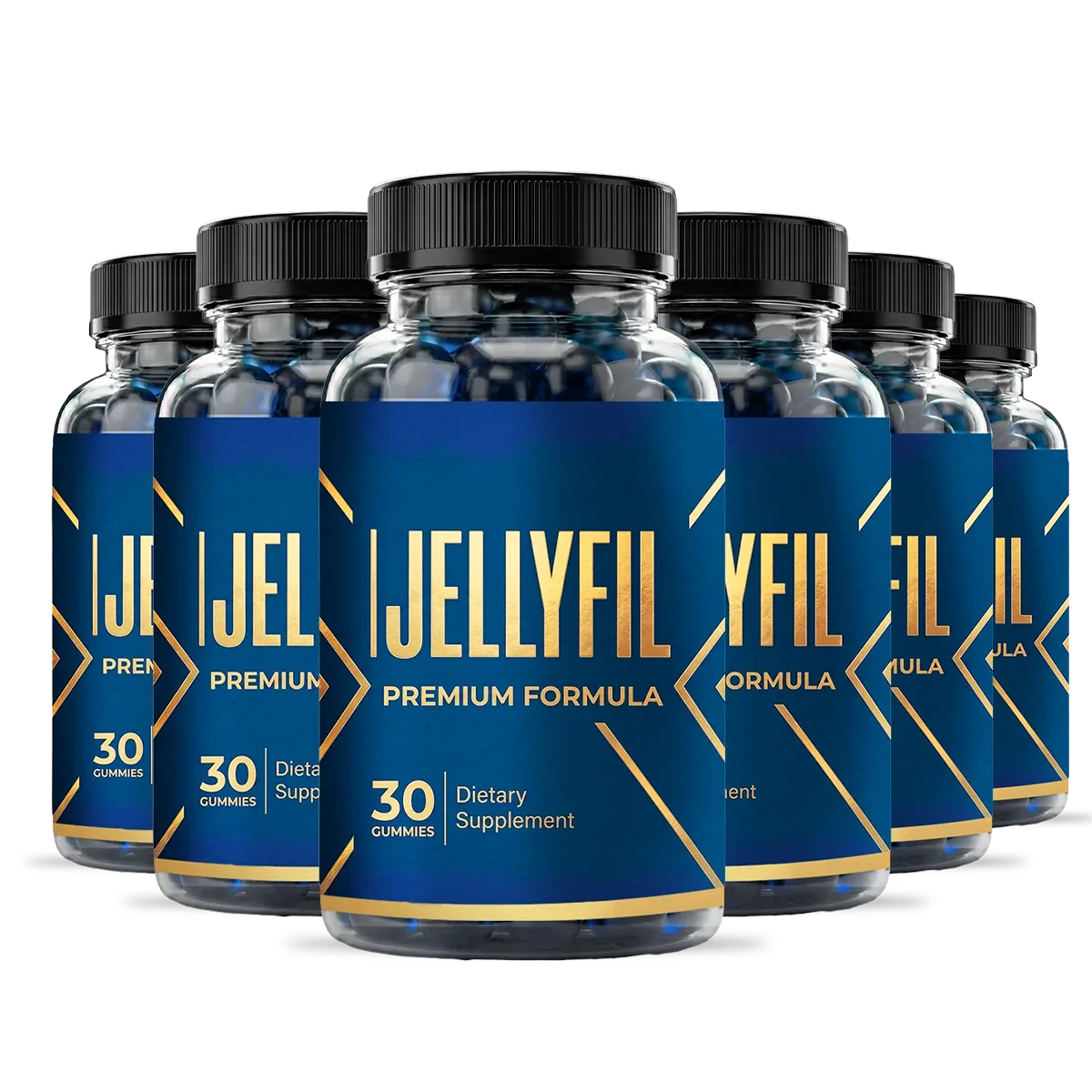
JellyFil pairs Muira Puama and Catuaba with L-Arginine, Maca, Ashwagandha and Tribulus. Every active is named on the label.
Order NowFrequently asked questions
Do Muira Puama and Catuaba actually work?
They have a deep traditional record for supporting desire and some encouraging early human and pre-clinical data, but controlled human trials are limited. That means they are reasonable, evidence-informed inclusions rather than proven treatments. Honest formulas position them as support, not a guarantee.
Are they stimulants?
No. They are botanicals used traditionally for desire and vitality, not caffeine-type stimulants. You should not expect a jittery hit from them, and JellyFil is a stimulant-free formula overall.
Are they safe?
Both are generally regarded as well tolerated in supplement forms, but the safety literature is thinner than for well-studied nutrients. If you take medication or have a health condition, check with a doctor before use. This is general information, not medical advice.
References
- Mendes FR et al. Brazilian plants as possible adaptogens: an ethnopharmacological survey of books edited in Brazil. J Ethnopharmacol. 2007. PMID: 17030478.
- Campos MM et al. Antidepressant-like effects of Trichilia catigua (Catuaba) extract: evidence for dopaminergic-mediated mechanisms. Psychopharmacology (Berl). 2005. PMID: 15991001.
- Dos Santos AH et al. The exposure to Trichilia catigua (catuaba) crude extract impairs fertility of adult female rats but does not cause reproductive damage to male offspring. J Ethnopharmacol. 2015. PMID: 25792016.
- Kuchakulla M et al. A systematic review and evidence-based analysis of ingredients in popular male testosterone and erectile dysfunction supplements. Int J Impot Res. 2021. PMID: 32358510.